What is SEO, in plain terms?
SEO (search engine optimization) is the work of making your website the best answer to the searches your customers type, so Google shows it near the top without you paying for each click. It includes making the site easy for Google to crawl, writing pages that match what people want, earning links and reviews that prove you are credible, and building the local signals that put you in the map pack. Done well, it turns searches into calls, form fills and orders month after month.
How does SEO work?
Google crawls your pages, works out what each one is about, and ranks it against every other page on the same topic using hundreds of signals. The biggest are relevance (does the page answer the search), authority (do other trusted sites link to and mention you), experience (is the page fast, mobile-friendly and usable) and, for local searches, proximity and reviews. SEO improves each of those signals in a planned order: technical fixes first, then pages and content, then links, citations and reviews.
How long does SEO take to show results?
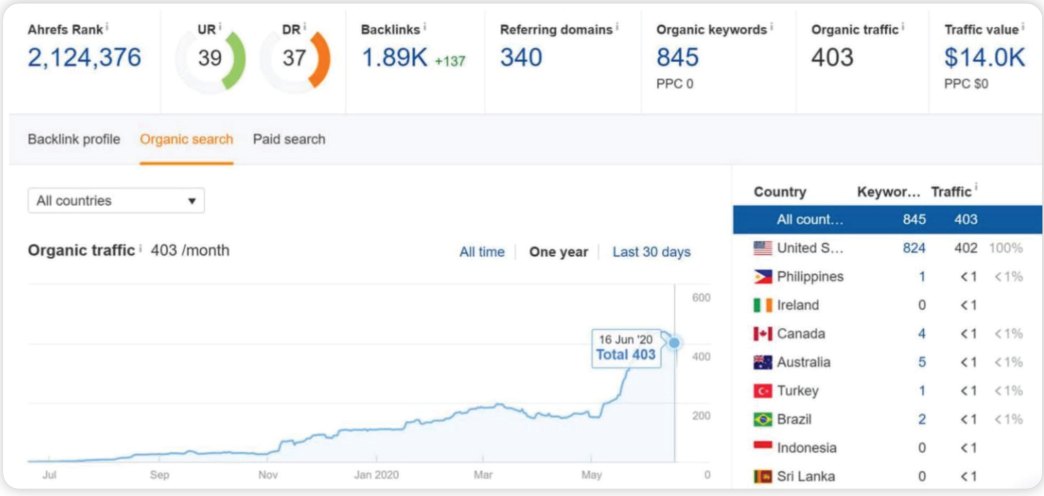
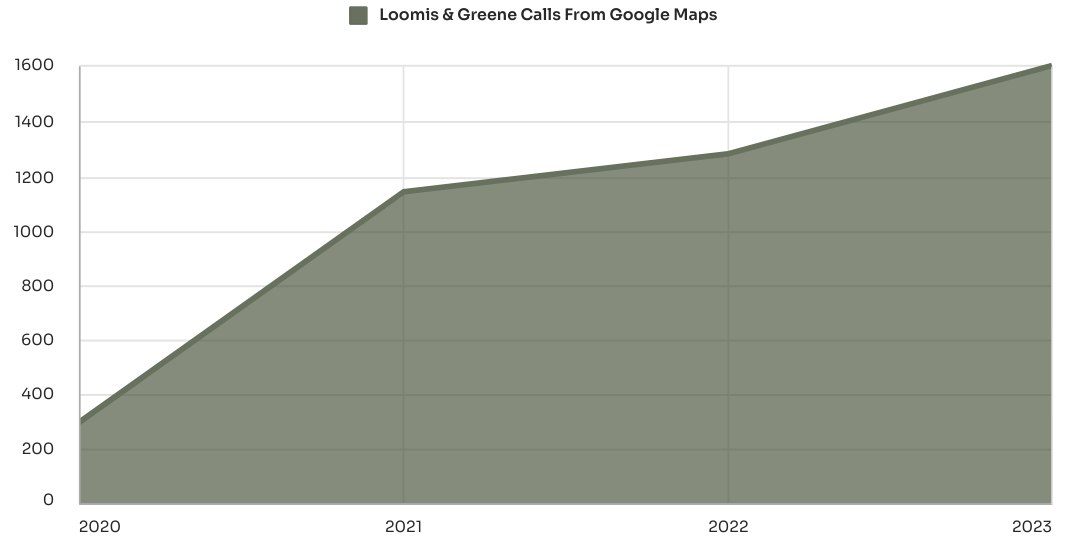
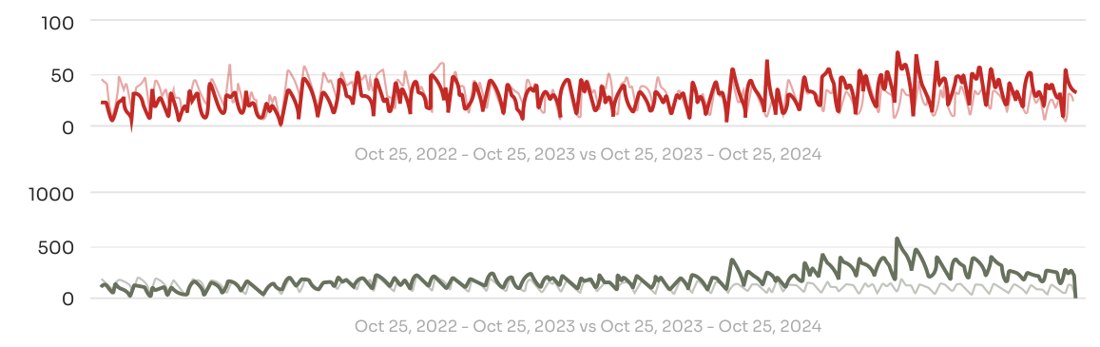
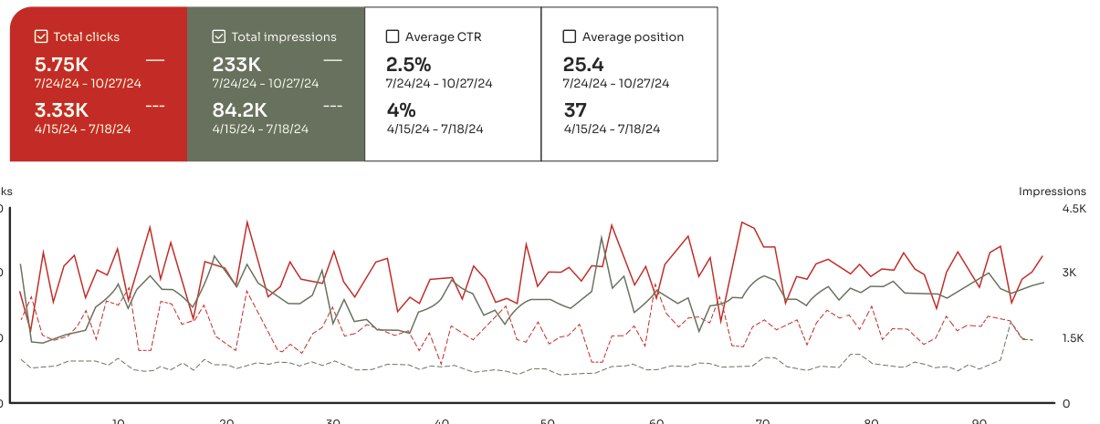
Technical fixes and local visibility usually move within the first 30 to 60 days, especially the map pack. Competitive top-3 rankings for commercial keywords typically build over 3 to 6 months, and very competitive national terms can take a year. You see the trend in every monthly report, so you never have to take it on faith.
How much does SEO cost?
Every aStash plan is a flat monthly rate fixed after the free audit, with no contract. The rate depends on three things: how competitive your market is, how many locations or product categories you need to rank, and how much content and link building it will take to close the gap to the top three. A single-location local business needs a very different plan from a multi-state franchise or an online store with ten thousand products. The audit gives you the exact number before you commit to anything.
Can you guarantee a #1 ranking?
No, and you should walk away from anyone who does. Google does not sell organic positions and no agency controls its algorithm. What we do guarantee is the work: a plan built to a traffic target, delivered on schedule, with every ranking, page and link reported each month. Every aStash SEO plan is built to reach a 300% increase in organic traffic, and the report shows you how far along you are.
Do I still need SEO if I run Google Ads?
Yes, and most of our clients run both. Ads produce leads immediately but stop the day you stop paying, and the cost per click rises as competitors bid. SEO takes longer but the cost per lead falls every month as rankings compound, and organic results earn more trust on commercial searches. Ads are the right tool for launches and promotions. SEO is the asset that lowers your cost of customer acquisition over time.
What is AI optimization (AIO) and do I need it as well as SEO?
AI optimization is the work of getting your business cited and recommended by ChatGPT, Perplexity, Gemini, Microsoft Copilot and Google AI Overviews when people ask them who to hire. Those systems draw on the same pages, reviews, directories and mentions that SEO builds, so most of the work overlaps. What changes is structure: answer-first pages, consistent business information everywhere, structured data and mentions on the sources AI assistants trust. Every aStash SEO plan includes it, and we track your AI citations in the monthly report.
What is local SEO and the map pack?
The map pack is the block of three businesses with a map that Google shows for searches with local intent, such as “plumber near me” or “dentist in Fort Collins”. Local SEO is the work of winning those three spots: a complete and active Google Business Profile, accurate citations on directories, a steady flow of reviews with responses, and location pages on your site. For most service businesses the map pack is where the phone calls come from.
Will blogging help my SEO?
Yes, when the posts answer questions your customers actually ask and link to the service pages that make you money. Blogging for its own sake, or publishing dozens of generic AI articles, does not help and can hurt. We plan posts from keyword research, write them answer-first so AI assistants can quote them, and use them to support the pages that convert.
What is technical SEO?
Technical SEO is everything that lets Google find, read and trust your site: crawlability, indexing, site speed, Core Web Vitals, mobile rendering, redirects, canonical tags, structured data and security. Problems here silently cap everything else. That is why every plan starts with a full technical audit and fixes before any content is written.
Do you need access to my website and Google accounts?
Yes. To do the work we need access to your website, Google Business Profile, Google Search Console and Google Analytics. Everything stays in your name and under your ownership. If you do not have Search Console or Analytics set up, we set them up for you in the first week.
Do you work with businesses outside Colorado?
Yes. aStash is based in Fort Collins and serves Northern Colorado and Denver in person, and we run SEO campaigns for clients in Texas, Washington, Louisiana, Florida and across the United States. Local SEO works the same in every city. What changes is the competition, and the audit measures that before we quote.
What is the difference between SEO and SEM?
SEO earns unpaid rankings. SEM (search engine marketing) is the umbrella that also includes paid search, such as Google Ads and Shopping ads. We offer both, and for many clients the best plan runs them together from one keyword set: Ads cover the terms SEO has not won yet, and the budget shifts to organic as rankings arrive.
How do you report results?
Once a month you receive a plain-English report with rankings for every target keyword, organic traffic, phone calls and form leads, the links we earned with their URLs, and where you now appear in AI assistants. It also lists what we did and what is next. If a number went down, the report says why and what we are doing about it.