Condition and treatment pages by joint
Knee, hip, shoulder, spine, hand and wrist, foot and ankle, elbow: conditions and treatments for each, with symptoms, non-surgical and surgical options, recovery, insurance and the surgeons who treat them.

SEO & AI Optimization for orthopedic practices
Orthopedic patients search a body part and a problem: “knee replacement surgeon near me”, “rotator cuff tear treatment”, “sports medicine doctor [city]”. They choose from the map pack, the surgeon’s credentials, the insurance page and the reviews, often on a referral. aStash builds orthopedic SEO by joint and condition, with surgeon authority at its centre, plus the referring-physician and insurance clarity that fill the schedule. Flat monthly rate, no contract, reported in new patients.
Orthopedic search is anatomical. “Torn meniscus treatment”, “hip replacement recovery”, “carpal tunnel surgeon”, “ACL surgery [city]”. The patient has a diagnosis or a pain and is looking for the practice that explains it, treats it and takes their insurance. Many arrive on a referral and search the surgeon’s name to check credentials and reviews before calling.
Most orthopedic websites list specialties and surgeons, with a paragraph each, and leave the condition content to the hospital system or the national health sites. Google holds medical content to its strictest quality rules, so a condition page without a named, credentialed physician as author is discounted, and the hospital systems and health publishers take the searches.
aStash builds orthopedic SEO by joint and condition: a page per condition and per treatment written for the patient and attributed to the treating surgeon; surgeon profiles with board certification, fellowship training and schema; insurance and referral clarity; sports medicine and workers’ compensation pages; referring-physician pages; a Google Business Profile and review workflow that win the local search; and the structured facts that get AI assistants to name the practice. A Colorado professional-services client on the same authority-first system saw five times the leads.
By service line
Each joint and patient type is a different search and a different page.
Knee and hip
Condition and treatment pages with non-surgical and surgical options, recovery and the surgeons. The highest-volume orthopedic searches.
Shoulder and elbow
Condition pages with options and recovery, naming fellowship-trained surgeons.
Spine
Pages that explain conservative care first, surgical options, and the spine specialists. Competes with neurosurgery and hospital systems.
Hand, wrist, foot and ankle
Specialty pages with conditions and surgeons; lower competition, high intent.
Sports medicine
Pages for athletes and parents, with team affiliations, injury guides and fast-access scheduling.
Workers’ compensation and referrals
Pages for employers, adjusters and referring physicians with process, turnaround and contacts.
What we do
Six things every orthopedic SEO plan includes, built for anatomical searches, referrals and Google’s health rules.
Knee, hip, shoulder, spine, hand and wrist, foot and ankle, elbow: conditions and treatments for each, with symptoms, non-surgical and surgical options, recovery, insurance and the surgeons who treat them.
Profiles with board certification, fellowship training, hospital affiliations, publications, team physician roles and schema, authorship on every clinical page.
An insurance page with accepted plans and referral requirements, workers’ compensation and self-pay pages, and appointment-request flow by location.
How to refer, turnaround, communication back, and a direct line, with pages for primary care, urgent care, physical therapy and chiropractic referrers.
Google Business Profiles for each location and surgeon with orthopedic categories, verification, photos and posts, and a privacy-compliant review workflow.
Physician and MedicalBusiness schema, consistent credentials everywhere, answer-first condition pages and reviews, so ChatGPT, Perplexity and Google AI name the practice when someone asks for an orthopedic surgeon in your city.
How customers search
Patients search the problem, check the surgeon, then book, often on a referral.
Problem
Condition pages attributed to the surgeon that explain options plainly, including when surgery is not needed.
Surgeon
Surgeon profiles with board certification, fellowship, affiliations and reviews naming procedures, consistent across hospital and insurer listings.
Book
The insurance page, the location profile, and an appointment request flow by location.
How we do it
Surgeon authority and condition pages first, because medical content does not rank without them.
Rankings for condition and surgeon searches in your market, profiles per location and surgeon, insurer and hospital listings, reviews, surgeon profiles, appointment flow, site speed, and what AI assistants say when asked for an orthopedic surgeon in your city.
Location and surgeon profiles verified and corrected. Credentials aligned on the site, hospital, insurer and board listings. Call and appointment-form tracking live.
Pages per condition and treatment by joint, surgeon profiles with schema, insurance and referral pages, navigation links.
A privacy-compliant review workflow per surgeon with a response guide, and referring-physician pages with outreach to local referrers.
Hospital, society and insurer listings aligned, publication and media links, team-physician and community links, and monthly articles answering patients’ questions, each attributed to a surgeon.
Rankings by condition, map-pack position by location, appointment requests and calls from search, referral inquiries, reviews earned, AI mentions.
Generic vs. specialist
A specialty list versus a plan built for anatomical searches and referrals.
Their customer service is their biggest strength. They have delivered on time, within budget, and communicated well with us. Their work has helped us increase the number of people using our contact forms.

Numbers

Figures from aStash professional-services clients; the method is the one on this page.
Everything you need to know
Patients search the body part and the problem. A condition page for a torn rotator cuff that explains symptoms, non-surgical options, surgery, recovery and the fellowship-trained surgeon who treats it ranks for dozens of related searches and converts because it answered the patient’s question honestly, including when surgery is not needed.
Google holds orthopedic pages to its strictest quality rules and AI assistants apply the same test. Condition pages without a named, board-certified surgeon as author, with credentials consistent across the site, hospital and insurer listings, are discounted. Surgeon profiles with schema, as the author of every clinical page, are the foundation.
A large share of orthopedic patients arrive on a referral from primary care, urgent care, therapy or chiropractic. A referring-physician page with how to refer, turnaround and communication, plus outreach to local referrers, turns relationships into a measurable source, and gives referrers something to send patients to.
When someone asks ChatGPT or Google AI for an orthopedic surgeon, the answer draws on board certification, hospital and insurer listings, reviews and condition pages. Consistent credentials, reviews naming procedures, and pages that state what you treat and which plans you take are what get a practice named. We track the answer monthly.
Ask any orthopedic SEO company for three things: a page they built for a orthopedic practice that ranks, a review from that client, and the report the client receives. The pages on this site, the reviews on Clutch and Google, and the monthly report described above are ours. Internet marketing for orthopedic practices is a crowded field, and the difference between orthopedic SEO services that produce leads and those that produce reports is visible in those three documents before any money changes hands.
Why it is hard
Orthopedic practices lose patients online for a short list of reasons.
Where you must be listed
Where patients and referrers check a surgeon and where Google and AI assistants read. Credentials must match on every one.
Case Studies
Screenshots straight from Google Business Profile, Search Console, Ahrefs and Google Ads for aStash clients. No projections, no mock data.
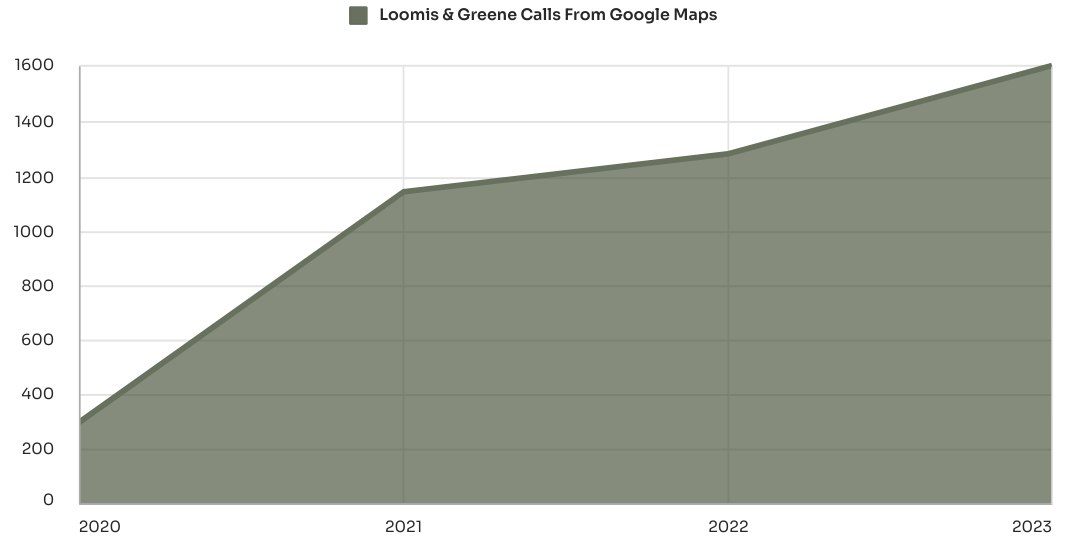
Loomis & Greene had switched three agencies before aStash. Five years later they still rank #1 for 318 Fort Collins and 149 Greeley searches.
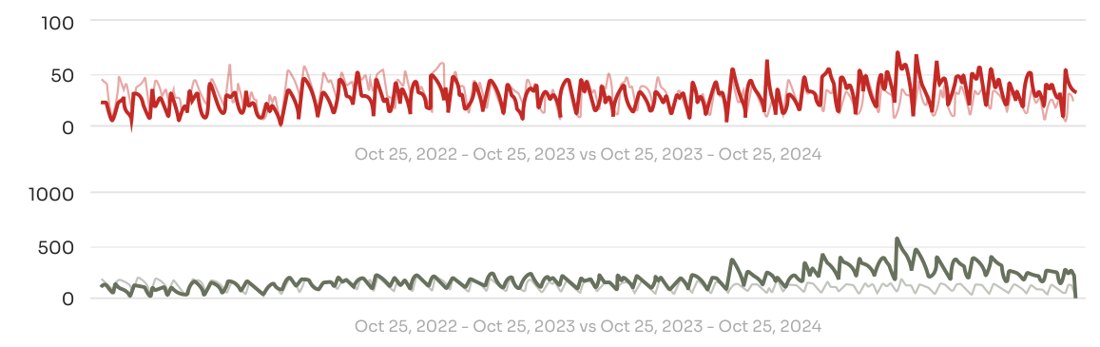
Vega & Associates, year over year on Google Business Profile. Across a 13×13 grid covering 8 miles of Houston the firm averages position 3 on the map.
Free audit
Free, about a week, and the first month’s task list if you go ahead.
Related services
Most clients in this industry run one or two of these alongside the SEO plan.
The full SEO plan every industry page sits inside.
Learn more ↗Map pack, Google Business Profile, citations and reviews.
Learn more ↗Get named by ChatGPT, Perplexity and Google AI.
Learn more ↗Search ads for condition and surgeon searches while SEO builds.
Learn more ↗Compliant review workflows per surgeon and location.
Learn more ↗A site built on condition pages, surgeon profiles and appointment flows.
Learn more ↗Similar industries
Each page explains what changes for that industry.
Near you
Local campaigns are built around your service area. City pages for the markets where most of our clients are.

Written and reviewed by
Kateryna QuinnFounder and CEO, aStash. Forbes Next 1000, NOCO Style 30 Under 30Kateryna founded aStash in Fort Collins in 2017 and has run authority-first local SEO for medical, surgical and professional practices across Colorado, Texas and the United States, within the privacy and content rules health practices require. She reviews this page whenever Google changes how it treats health content or AI answers.
Orthopedic SEO FAQ
Anything else? (970) 399-9004 reaches a person in Fort Collins, not a call center.
By ranking a page for each condition and treatment patients search, by joint, establishing the surgeon authority Google requires for medical content, making insurance and referral requirements clear, serving referring physicians with their own pages, and winning local searches per location. Appointment requests are tracked to the search that produced them.
Condition pages for specific joints often rank within three to four months. Competitive terms such as “knee replacement surgeon [city]” where hospital systems compete build over six to twelve months. Map-pack movement per location shows within 30 to 60 days.
Google holds medical content to its strictest rules and discounts clinical pages without a named, credentialed author. Surgeon profiles with board certification, fellowship training, affiliations and schema, as the author of condition pages, meet that standard, and referred patients check them before calling.
Yes. A referring-physician page with how to refer, turnaround and communication, pages for specific referrer types, and outreach to local primary care, urgent care, therapy and chiropractic practices turn referrals into a measurable channel.
Yes. Patients filter by insurance before booking, insurer directories already list you, and an insurance page with accepted plans and referral requirements, plus workers’ compensation and self-pay pages, converts the research visit.
Yes, with care: after follow-up visits, per surgeon and location, no incentives, and replies that thank without confirming treatment. We set up the workflow and a privacy-compliant response guide.
A flat monthly rate fixed after the free audit, no contract. It depends on the number of locations, surgeons and sub-specialties. Single-location and multi-location groups need different plans. The audit gives you the number before you commit.
Yes. Patients now ask ChatGPT and Google AI for an orthopedic surgeon, and the answer draws on board certification, listings, reviews and condition pages. It is included in every plan and tracked monthly.