Audience profiles
Three to four customer types with what they care about, which platforms they use, when they are online and what makes them stop scrolling.
Social Media Strategy
Most small business social media is random: a photo when someone remembers, a promotion when sales are slow. A strategy decides who you are talking to, which platforms deserve your time, what you say and how it turns into customers.
A social media strategy answers the questions that random posting avoids. Who are the three or four kinds of customers you want more of, and where do they spend their time online? What does your business say that competitors cannot? What should a post do: make people laugh, teach them something, show your work or get them to call?
From those answers come the practical decisions: which platforms to commit to and which to ignore, how often to post, which content pillars to rotate through, how reviews and user content fit in, where paid promotion earns its money and what numbers you check every month.
The output is a document your team can run, or that our management team runs for you. Either way, every post from then on has a reason.

How we build it
Most businesses pick a platform because a competitor is on it, then wonder what to post. We start at the other end: who you need more of, what they need to see to trust you, and which channel they actually open.
The strategy session covers your customers, your competitors’ feeds, what has worked for you before and what you can realistically produce every week. From that, the plan is built in a day, not a quarter.
Consistency compounds
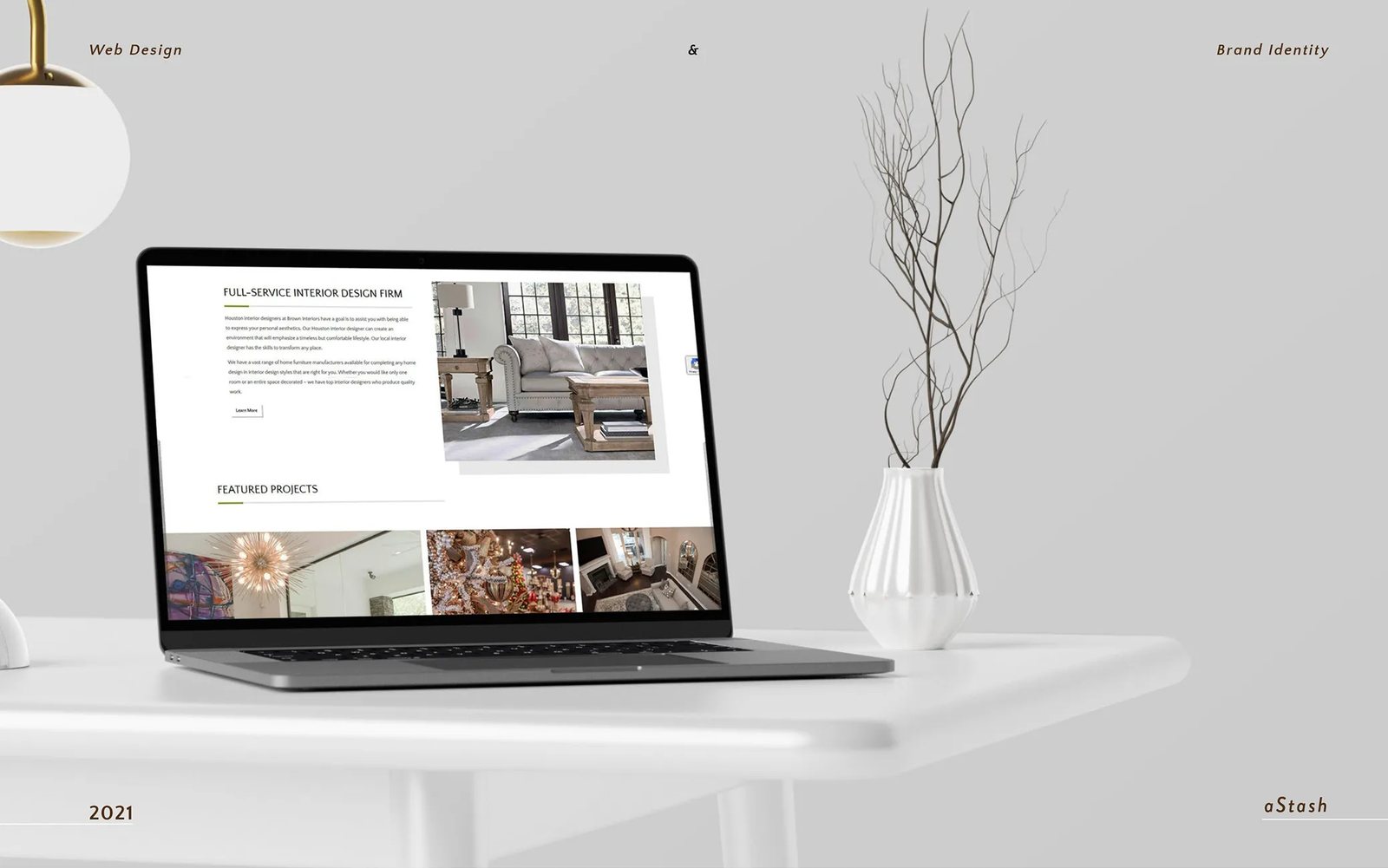
Brown Interiors, after a strategy that fixed pillars, cadence and design: followers indexed to the starting month.
What Is in the Strategy
Three to four customer types with what they care about, which platforms they use, when they are online and what makes them stop scrolling.
Which of Facebook, Instagram, LinkedIn, TikTok, YouTube and Google Business Profile deserve your time, and which to drop, with a reason for each.
Four to six themes to rotate through, with example posts, the share of each and the formats that work for them: reels, carousels, stories, lives.
How often to post per platform, the best times for your audience and a calendar template with the first month filled in.
Where a small boosting budget or ad campaign supports the organic work, with audiences, budgets and the posts worth promoting.
The handful of numbers that matter for your goals: reach, saves, profile visits, messages, link clicks, leads, and how to track them monthly.
Why Start With Strategy
Most businesses need two platforms done well, not five done badly. The plan picks them from where your customers actually are.
Pillars and formats mean nobody stares at a blank screen on Monday. The question becomes which pillar is next, not what to post.
Followers are vanity. Messages, link clicks, bookings and calls are the point. The plan tracks the ones tied to revenue.
Boosting random posts burns money. The plan says which posts, which audiences and how much, before a dollar is spent.
Selected work


Results
Brown Interiors, after a content strategy and consistent execution across every channel.
What you get
The deliverable is a working document: platforms with a reason for each, content pillars with example posts, a posting calendar, tone and visual rules, response guidelines and the handful of numbers you will track each month.
Hand it to your team, or hand it to our management team. Brown Interiors ran on a plan like this and tripled followers on every channel while lifting Facebook click-through rate 350%.
Random vs Planned
Process
We audit your current profiles and results, review three to five competitors, interview you about customers and goals and pull platform analytics.
Audience profiles, platform plan, content pillars, cadence, paid plan and KPIs written up and reviewed with you in a working session.
Calendar template, post formats, caption and hashtag guidelines and the first month of posts planned, so execution starts the day the strategy is approved.
Client reviews
“Their hard work and attention to detail set them apart. In 2018, Kateryna was able to bring 4,000 new users to the website through organic traffic. We had perfect communication throughout.”
“The game changer for us was how much they care about you and your brand. We are happily receiving positive feedback on our brand and products and were able to easily get in to retail stores.”
“The amount of work they put in was impressive. We have received great feedback from the customers about our website and signed up over 500 people. Everything was delivered on time.”
Related services
FAQ
Anything else? (970) 399-9004 reaches a person in Fort Collins, not a call center.
Every management plan starts with one. If you want to run social media in-house, the strategy alone gives your team the plan to follow.
It depends on who buys from you. Home services and retail usually win on Facebook, Instagram and Google Business Profile. B2B and professional services lean LinkedIn. The strategy decides from your audience, not from trends.
Enough to stay visible, not so much that quality drops. For most small businesses that is three to five posts a week on the main platform plus stories. The plan sets a cadence you can actually sustain.
Yes, at a strategic level: which posts, audiences and budgets make sense. Full campaign management is a separate service from the same team.
Three weeks from kickoff to a finished playbook with the first month planned.
A flat project price. If you move on to management with aStash, the strategy is credited toward the first months.