Skip to content
Modern hospital building exterior

SEO & AI Optimization for hospitals

SEO for hospitals: service lines, locations and physicians that rank as one system

A hospital is searched a hundred ways: “emergency room near me”, “cardiologist [city]”, “labor and delivery hospital”, “[hospital] visiting hours”. Each search belongs to a service line, a location or a physician, and the sites that rank treat all three as one structure. aStash builds hospital SEO that way, within the privacy and content rules health systems follow. Flat monthly rate, no contract, reported in appointments and calls by service line.

Service linesLocations & ERPhysician directoryCondition contentReviews at scale
0structures that have to rank together: service lines, locations, physicians
0more leads for a Colorado professional-services client on local SEO
0report by service line and location, every month
SEO for hospitals01

A hospital’s search presence is a system. Service lines, locations and physicians have to rank as one.

0#1 rankings held by a Colorado professional-services client on the same authority-first system

Hospital search is three searches at once. A patient searches a need, “knee replacement”, “pediatric ER”, “mammogram near me”, which belongs to a service line. They search a place, “urgent care [city]”, “hospital near me”, which belongs to a location. And they search a person, “Dr. [name] reviews”, which belongs to a physician profile. The hospital whose service-line pages, location pages and physician directory are built to rank, link to each other and agree with every directory wins all three.

Most hospital websites were built for the organisation chart: departments, not conditions; a location list, not location pages; a physician directory that is a database, not a set of pages Google can rank. Meanwhile the national health publishers rank for every condition, the aggregators rank for every physician, and the hospital ranks for its own name.

aStash builds hospital SEO as one structure: service-line pages that explain conditions and treatments in patient language and name the physicians; location pages for every campus, clinic, ER and urgent care with hours, services and schema; a physician directory where each profile is a real page with credentials, schema and reviews; a review and listing system at scale; and the structured facts that get AI assistants to name the hospital for the service lines and locations that matter. Every page follows the privacy and content rules health systems require.

Everything you need to know

Hospital SEO: what makes it different, and what we do about it

Three structures, one system

Patients search needs, places and people. A hospital that organises its site around conditions, gives every location a page and a verified profile, and makes every physician a real page, with all three linked and agreeing with every directory, ranks for all three kinds of search. A hospital organised like its org chart ranks for its name.

Scale is the challenge, and the advantage

A health system has hundreds of profiles, thousands of pages and dozens of physicians. That is a liability when nothing is consistent and an advantage when it is: every aligned profile and attributed page compounds the system’s authority. The work is prioritised by service line and location so progress is visible every quarter.

Patient language, physician names

Google holds medical content to its strictest rules and discounts pages without a named, credentialed author. Hospital content written for compliance review, in department language, with no physician attached, fails both Google and the patient. Patient-language pages attributed to physicians, with a compliance workflow that keeps pace, pass both.

What AI assistants need from a hospital

When someone asks ChatGPT or Google AI where to go for care, the answer draws on location profiles, physician credentials, accreditations, reviews and condition pages. Consistent facts across every listing, physician-attributed content and accreditations stated plainly are what get a hospital named for a service line. We track the answer monthly by service line and location.

Why hospitals hire aStash for SEO

A hospital usually comes to us after one of two experiences: a big hospital SEO agency that assigned a junior account manager and a template, or a freelancer who built links and disappeared. Our hospital SEO services are run by the same small team from the audit onward, the strategies are written for your market rather than copied across clients, and reputation management, local SEO and the website are handled together because for a hospital they are one problem. Results are reported monthly against the budget you set.


What we do

Six things every hospital SEO plan includes

Six things every hospital SEO plan includes, built for a system of service lines, locations and physicians.

Service-line pages built around conditions

Cardiology, orthopedics, oncology, women’s health, pediatrics, neurology, bariatrics and the rest: conditions and treatments in patient language, the physicians who treat them, locations where care is delivered, and next steps. Conditions and treatments per service line, Physicians named and linked, Locations and next steps.

Location pages and profiles at scale

A page per campus, ER, urgent care and clinic with hours, services, parking and schema, and a verified Google Business Profile for each with the right categories, posts and reviews. Page and profile per location, ER and urgent care categories, Listings aligned.

A physician directory that ranks

Each physician a real page with credentials, specialties, locations, languages, schema and reviews, linked from service lines and locations, consistent with hospital and insurer directories. Physician schema, Linked from service lines, Directory consistency.

Reviews and reputation at scale

A review workflow per location and physician with a privacy-compliant response guide, monitoring across profiles, and reporting by service line. Workflow per location and physician, Compliant responses, Monitoring at scale.

Technical SEO for large health sites

Crawl and index management, site speed, schema at scale, accessibility, and the migration planning health systems need when platforms change. Crawl and index control, Schema at scale, Accessibility.

AI optimization for health systems

Hospital, MedicalOrganization and Physician schema, consistent facts across every listing, answer-first condition pages, so ChatGPT, Perplexity and Google AI name the hospital for the service lines and locations that matter. Hospital and Physician schema, Monthly AI prompt tracking by service line, Citations on the sources assistants use.

How we do it

Six steps that get a hospital found

Structure first, then service lines in priority order, because a hospital site is too large to fix all at once.

Week 1 – 2

Audit the system

Rankings by service line, location and physician, every Google Business Profile, hospital and insurer directories, reviews, technical crawl, schema, accessibility, content workflow, and what AI assistants say when asked for care in your service lines and locations.

Weeks 2 – 4

Locations and profiles

Location pages and verified profiles for every campus, ER, urgent care and clinic, with hours, services and schema, and listings aligned. Call and appointment tracking by location.

Months 2 – 4

Priority service lines

The service lines with the most searches or the most strategic value rebuilt around conditions and treatments, attributed to physicians, with physician profiles completed for those lines.

Months 2 – 6

Physician directory and reviews

Every physician profile made a real page with schema and reviews, and the review workflow and response guide rolled out by location and physician.

Months 4 – 12

Remaining service lines and authority

The remaining service lines rebuilt, listings and directories aligned, publication and community links, and monthly condition content attributed to physicians.

Every month

Report by service line and location

Rankings, map-pack positions, calls and appointment requests from search by service line and location, physician-profile traffic, reviews earned, AI mentions.

Why it is hard

Why hospitals struggle to get found

Hospitals lose patients to publishers, aggregators and competing systems for structural reasons.

0kinds of page that have to agree: service line, location, physician
  1. 01
    Service lines are organised like departments, so condition searches go to national publishers.Service-line pages built around conditions and treatments in patient language, attributed to the physicians who treat them.
  2. 02
    Locations are a list, so “ER near me” and “urgent care [city]” go to the competitor with location pages.A page per campus, ER, urgent care and clinic with hours, services, parking, wait-time links and schema, plus a verified profile for each.
  3. 03
    The physician directory is a database, so “Dr. [name]” searches go to Healthgrades.Physician profiles that are real pages with credentials, specialties, locations, schema and reviews, linked from service lines.
  4. 04
    Reviews and listings are inconsistent across hundreds of profiles.A review and listing system at scale, with a response guide that follows privacy rules.
  5. 05
    Content is written for compliance review, not for patients, and never names a physician.Patient-language pages with named physician authors and a compliance workflow that keeps pace.

By service line

What each kind of hospital work needs online

Each service line is a different search, patient and competitor.

Service lineService pageLocation contentReviews & GBPAds first?
Emergency and urgent care“emergency room near me”, “urgent care [city]”, “er wait times”CoreCoreCoreHelpful
Cardiology and oncology“cardiologist near me”, “cancer center [city]”, “heart surgeon”CoreCoreHelpfulLater
Orthopedics and spine“orthopedic surgeon [city]”, “joint replacement center”CoreCoreCoreHelpful
Women’s health and pediatrics“labor and delivery hospital near me”, “pediatrician [city]”, “nicu level”CoreCoreCoreLater
Primary care and clinics“primary care doctor near me”, “family medicine clinic [city]”CoreCoreCoreHelpful
Specialty and destination services“bariatric surgery center”, “stroke center”, “transplant program”CoreHelpfulHelpfulLater
Core: in the plan from month oneAdd-on: added when the numbers justify itLater: once the foundation is producing

Numbers

What authority-first local SEO produces for professional organisations

Loomis & Greene · Law firm, Colorado
0#1 rankings held by a Colorado professional-services clientLoomis & Greene, on the same authority-first system
Loomis & Greene · Law firm, Colorado
0more leads for the same client on SEO
Loomis & Greene · Law firm, Colorado
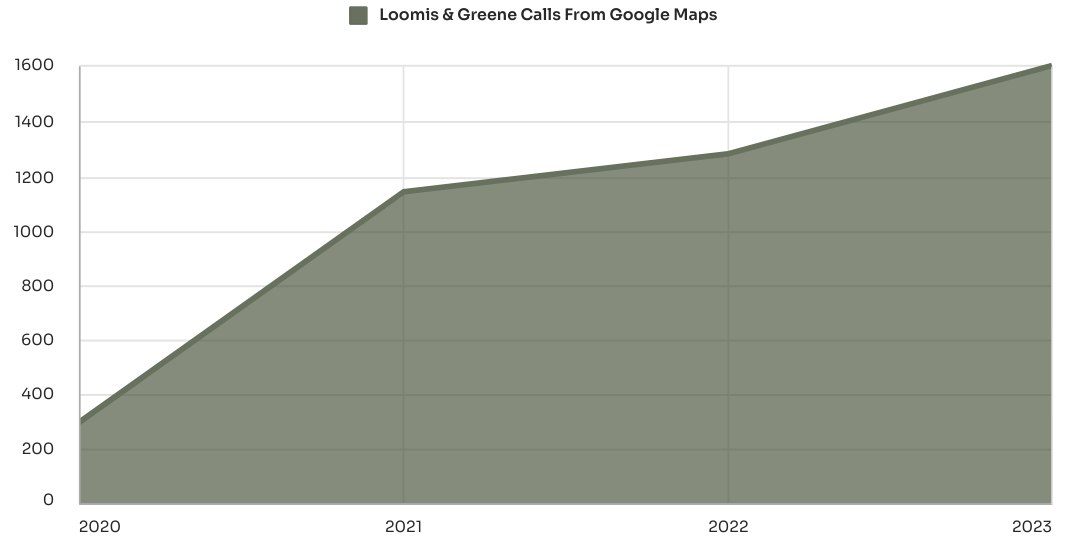
0Google Maps calls a year for the same client
How the plan works
0structures built to rank as one: service lines, locations, physicians
Typical rebuild
0months for a full service-line rebuild on a typical system
Every plan
0report by service line and location, every month
Emergency entrance sign at a hospital

Figures from aStash professional-services clients; the method is the one on this page.

Searches we target

The searches a hospital has to win

Hospital searches are need, place or person. Each has a different page and a different competitor.

“what are the symptoms of a heart attack”
Condition pages in patient language attributed to physicians, with clear next steps and emergency guidance.
“emergency room near me”
Location pages and verified profiles with hours, categories, wait-time links and reviews. The map pack decides.
“dr [name] reviews”
Physician profiles with credentials, specialties, locations, schema and reviews, consistent with hospital and insurer directories.
Service line
A clinical specialty area, such as cardiology, organised on the site around conditions rather than departments.
Location page
A page for one campus, ER, urgent care or clinic, paired with a verified Google Business Profile.
Physician profile
A real page per physician with credentials, schema and reviews: the unit of “Dr. [name]” search.
MedicalOrganization schema
Structured data for the hospital, its locations and physicians.

Case Studies

Real Campaigns.
Real Numbers.

Screenshots straight from Google Business Profile, Search Console, Ahrefs and Google Ads for aStash clients. No projections, no mock data.

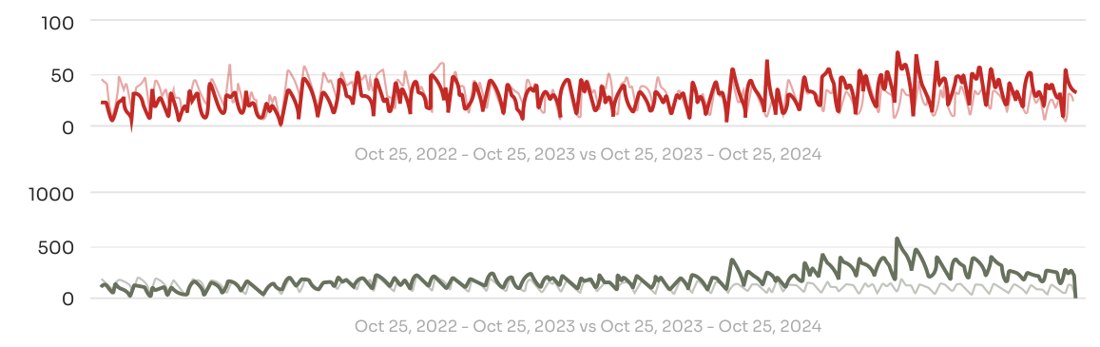
5× more leads for a Colorado law firm – dashboard screenshot
Law Firm · SEO · client for 5+ years

5× more leads for a Colorado law firm

5×leads from SEO only
1,600Google Maps calls a year, up from ~300
1,045#1 rankings in Loveland (+405)

Loomis & Greene had switched three agencies before aStash. Five years later they still rank #1 for 318 Fort Collins and 149 Greeley searches.

81% share of local voice for "immigration attorney" in Houston – dashboard screenshot
Immigration Law · Local SEO · client for 4 years

81% share of local voice for “immigration attorney” in Houston

+56%search impressions (44.0K → 68.8K)
+80%call clicks (2.7K → 4.8K)
+43%website clicks (2.9K → 4.2K)

Vega & Associates, year over year on Google Business Profile. Across a 13×13 grid covering 8 miles of Houston the firm averages position 3 on the map.

Their customer service is their biggest strength. They have delivered on time, within budget, and communicated well with us. Their work has helped us increase the number of people using our contact forms.

Aide, Denver City Council District 10Web design client★★★★★ Verified on Clutch
Read all reviews
Medical team meeting in a hospital

Where you must be listed

The directories, review sites and sources that decide hospital rankings and AI answers

Where patients check a hospital and its physicians, and where Google and AI assistants read. Facts must match on every one.

Generic vs. specialist

What changes when the SEO plan is built for a hospital

An organisation-chart website versus a search structure.

 
Generic SEO package
aStash plan for hospitals
Service lines
Departments
Conditions and treatments in patient language, physician-attributed
Locations
A list
A page and verified profile per location with hours and schema
Physicians
A database
Real pages with credentials, schema and reviews
Reviews
Unmanaged across hundreds of profiles
Workflow per location and physician, compliant responses
Content
Written for compliance
Written for patients, physician-authored, compliance kept in step
Reporting
Traffic
Appointments and calls by service line and location, AI mentions

Free audit

What the free hospital SEO audit checks

Free, about two weeks for a system, and the first quarter’s task list if you go ahead.

  • Rankings by service line, location and physician against competing systems and publishers
  • Map-pack position per location for ER, urgent care and clinic searches
  • Every Google Business Profile: categories, verification, hours, photos, reviews
  • Physician directory: real pages or database, schema, reviews, consistency with directories
  • Service-line structure: departments or conditions, physician attribution
  • Location pages: present, complete, schema
  • Reviews and response compliance across profiles
  • Technical crawl: index bloat, speed, schema, accessibility
  • Content workflow and compliance process
  • Hospital, MedicalOrganization and Physician schema
  • Whether AI assistants name the hospital for priority service lines
  • Call and appointment tracking by location and service line

Similar industries

Other healthcare & wellness businesses we work with

Each page explains what changes for that industry.

Near you

Hospital SEO for the Front Range, Houston, Seattle and across the United States

Local campaigns are built around your service area. City pages for the markets where most of our clients are.

Kateryna Quinn

Written and reviewed by

Kateryna QuinnFounder and CEO, aStash. Forbes Next 1000, NOCO Style 30 Under 30

Kateryna founded aStash in Fort Collins in 2017 and has run authority-first local SEO for healthcare, professional and multi-location organisations across Colorado, Texas and the United States, within the privacy and content rules health organisations require. She reviews this page whenever Google changes how it treats health content, multi-location listings or AI answers.

Last reviewed: October 2026About aStashSEO servicesClient reviews

Hospital SEO FAQ

Straight answers before you call.

Anything else? (970) 399-9004 reaches a person in Fort Collins, not a call center.

How does SEO help a hospital?

By organising the site around the three ways patients search, need, place and person, so service-line pages rank for conditions, location pages and profiles win the map pack for ER, urgent care and clinic searches, and physician profiles rank for name searches, all consistent with every directory. Appointments and calls are reported by service line and location.

How long does hospital SEO take?

Location pages and profiles usually show map-pack movement within 60 to 90 days. Priority service lines rebuilt around conditions take three to six months to rank against publishers and competing systems. A full system rebuild runs about a year, prioritised so results are visible every quarter.

Can you work within our compliance and brand processes?

Yes. We document your content, privacy and brand rules at the start, build a workflow that keeps compliance review in step with publishing, and work inside your CMS and governance. Patient-language, physician-attributed content is compatible with compliance when the process is designed for it.

Why does the physician directory matter for SEO?

“Dr. [name]” searches are among the most common hospital searches, and a directory that is a database rather than a set of pages hands them to Healthgrades and Vitals. Physician profiles that are real pages with credentials, schema and reviews rank for the name and also give service-line pages the named authors Google’s health-content rules require.

How do you manage reviews across hundreds of profiles?

With a workflow per location and physician connected to your systems where possible, a privacy-compliant response guide, monitoring across every profile and reporting by service line, so no review goes unanswered and no listing drifts.

Do you handle technical SEO for large health sites?

Yes. Crawl and index management, speed, schema at scale, accessibility and migration planning are part of every hospital plan, because a site of that size loses rankings to technical drift as easily as to content gaps.

How much does SEO for a hospital cost?

A flat monthly rate fixed after the audit, no contract, scoped by the number of locations, service lines and physicians. The audit, which takes about two weeks for a system, gives you the number and a prioritised plan before you commit.

Does AI optimization matter for hospitals?

Yes. Patients now ask ChatGPT and Google AI where to go for care, and the answer draws on location profiles, physician credentials, accreditations, reviews and condition pages. It is included in every plan and tracked monthly by service line.

Get a free hospital SEO audit, by service line and location.