Skip to content
Semi truck driving on a highway at sunset

SEO & AI Optimization for trucking companies

SEO for trucking companies: two audiences, shippers and drivers, one search presence

A trucking company is searched by two very different people: the shipper looking for “flatbed carrier Texas to Colorado” or “refrigerated freight company”, and the driver looking for “CDL jobs near me” or “[company] driver reviews”. Most carriers rank for neither. aStash builds trucking SEO for both: lane and service pages with the facts shippers check, recruiting pages with the facts drivers check, and the consistent DOT and safety data Google and AI assistants read. Flat monthly rate, no contract.

Shipper lanes & servicesDriver recruitingDOT & safety factsEquipment pagesBrokers & 3PL
0audiences searching: shippers and drivers
+72.67%organic clicks for an industrial client in three months on the same system
0set of DOT, MC and safety facts that must match on every listing
SEO for trucking companies01

Shippers search lanes and equipment. Drivers search jobs and reputation. Both check your DOT record first.

+176.72%impressions for JIMGLO Trailers in three months on the same B2B system

Freight is bought by lane and equipment. A shipper or broker searches “dry van carrier Denver to Dallas”, “flatbed trucking company Colorado”, “refrigerated LTL Houston”, “hazmat carrier”, and checks the carrier’s DOT number, safety rating, insurance and reviews before sending a load. The carrier with a page for the lane and the equipment, and consistent, public safety facts, gets the call. The load boards and the big 3PLs get everyone else.

Drivers search just as specifically: “local CDL jobs [city]”, “regional flatbed driver pay”, “[company] driver reviews”, and they check Glassdoor, Indeed and the company’s own recruiting page for pay, home time and equipment. A carrier with no recruiting page competes for drivers on job boards alone, at job-board prices.

aStash builds trucking SEO for both audiences from one structure: lane and service pages for shippers with equipment, coverage, transit times and the facts they verify; equipment pages; a recruiting section with pay, home time, equipment and the application; DOT, MC, safety and insurance facts stated identically everywhere; reviews from shippers and drivers; and the structured facts that get AI assistants to name the carrier. JIMGLO Trailers, an industrial client on the same B2B system, saw organic clicks rise 72.67% and impressions 176.72% in three months.

Numbers

What B2B SEO produces on this system

JIMGLO Trailers · Manufacturer · SEO
+72.67%organic clicks for JIMGLO Trailers in three monthsIndustrial B2B, on the same system
JIMGLO Trailers · Manufacturer · SEO
+176.72%impressions for the same client
JIMGLO Trailers · Manufacturer · SEO
0forms a month for the same client, from 20
How the plan works
0audiences served from one structure: shippers and drivers
Typical first build
0lane and equipment pages in a typical first build
Every plan
0hours or less to reply to every review
Flatbed truck being loaded with cargo at a terminal

JIMGLO Trailers is an industrial aStash client; figures from Search Console over three months.

What we do

Everything a trucking company SEO plan includes

Six things every trucking SEO plan includes, built for shippers, drivers and the facts both verify.

  • Lane and service pages for shippers: Lane pages by corridor
  • Lane and service pages for shippers: Service pages by equipment
  • Lane and service pages for shippers: Quote request flow
  • DOT, safety and insurance facts: Facts identical everywhere
  • DOT, safety and insurance facts: Compliance page
  • DOT, safety and insurance facts: Carrier packet
  • Driver recruiting section: Recruiting pages by position and region
  • Driver recruiting section: JobPosting schema
  • Driver recruiting section: Mobile application
  • Google Business Profile and directories: Profile per terminal
  • Google Business Profile and directories: Equipment photos
  • Google Business Profile and directories: Carrier directories
  • Reviews from shippers and drivers: Shipper review workflow
  • Reviews from shippers and drivers: Driver review workflow
  • Reviews from shippers and drivers: Professional replies
  • AI optimization for carriers: Carrier schema with DOT
  • AI optimization for carriers: Monthly AI prompt tracking, both audiences
  • AI optimization for carriers: Citations on the sources assistants use
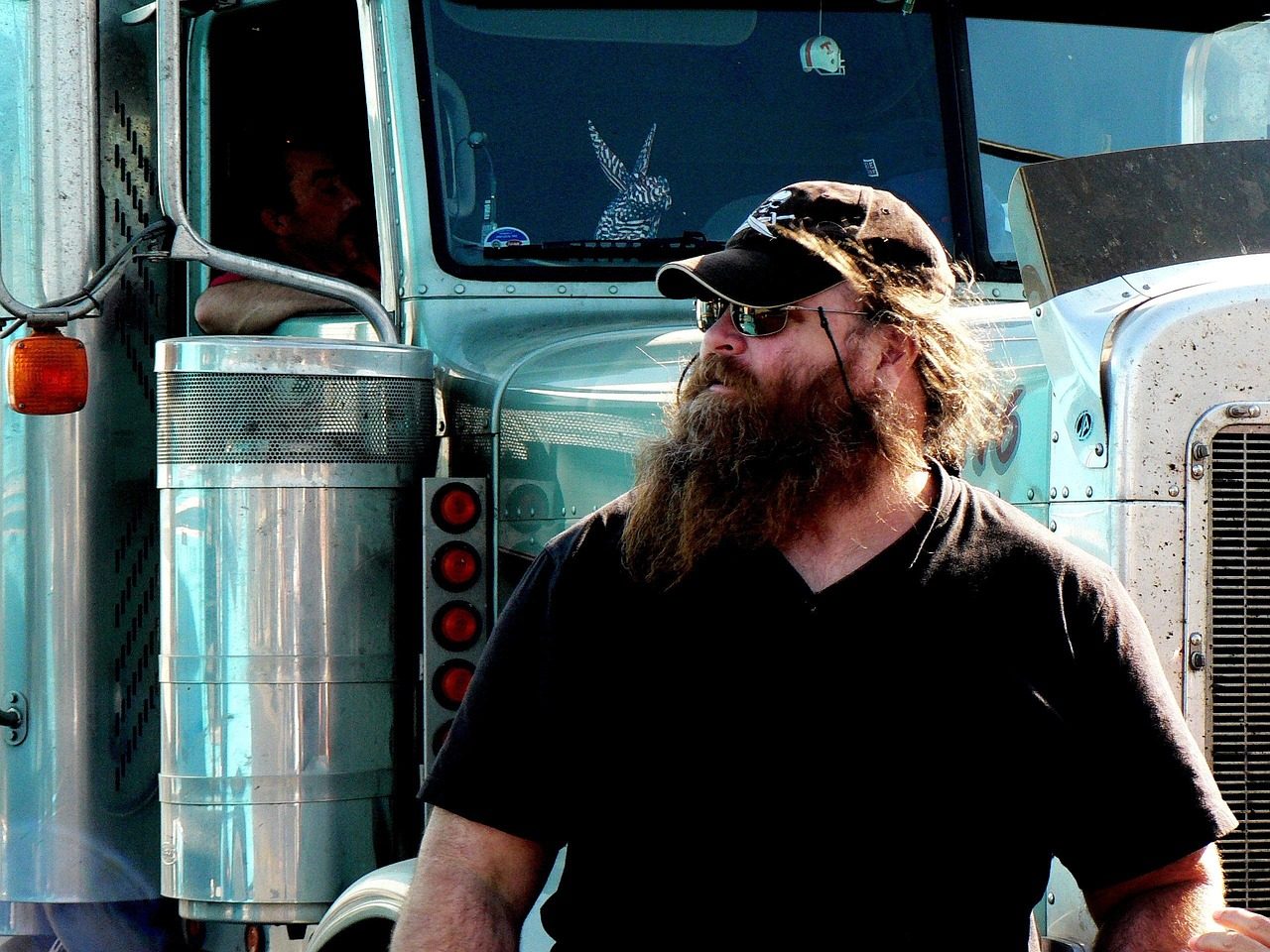
Truck driver in the cab of a semi

Why it is hard

Why trucking companies struggle to get found

Carriers are invisible for the searches that bring freight and drivers for a few reasons.

0DOT number a broker checks before any load is tendered
  • The site says “full-service transportation” and nothing about lanes or equipment, so shippers cannot find it.Lane pages for the corridors you run and equipment pages for what you pull, with coverage, transit times and how to get a quote.
  • DOT, MC, safety rating and insurance are missing or inconsistent, which is the first thing a broker checks.DOT, MC, authority, safety and insurance facts stated identically on the site, the Google Business Profile, carrier directories and FMCSA.
  • There is no recruiting page, so drivers only find you on job boards.A recruiting section with pay, home time, equipment, benefits, requirements and a mobile application, plus pages per position and region.
  • Reviews are a mix of driver complaints and nothing else.Review workflows for shippers and for drivers, with replies that address both professionally.
  • Brokers and 3PLs cannot find a carrier packet or onboarding page.A carrier packet and broker onboarding page with documents, contacts and set-up steps.

How we do it

From audit to a full calendar: the first six months for a trucking company

Facts and lanes first for shippers, recruiting second for drivers, both measured separately.

Week 1

Audit, both audiences

Rankings for lane, equipment and driver searches, DOT and safety facts across the web, the Google Business Profile, carrier directories, job boards, reviews, site speed, and what AI assistants say when a shipper or a driver asks about carriers in your lanes.

Week 1 – 2

Facts, profiles and tracking

DOT, MC, safety and insurance facts aligned everywhere. Profiles verified per terminal. Quote and application tracking live.

Weeks 2 – 6

Lane, service and equipment pages

Pages for the corridors you run and the equipment you pull, with coverage, transit times and quote requests, with schema and navigation links.

Months 2 – 3

Recruiting section and reviews

Recruiting pages by position and region with JobPosting schema and a mobile application, and review workflows for shippers and drivers.

Months 2 – 6

Authority and content

Carrier directories and associations, broker onboarding page, links from industry publications and local press, and monthly content for shippers and drivers.

Every month

Report in quotes and applications

Rankings by lane, equipment and driver search, quote requests from search, driver applications from search, reviews earned, AI mentions for both audiences.

By service line

What each kind of trucking company work needs online

Each kind of freight and each kind of driver is a different search.

Dry van and general freight

Lane pages by corridor with coverage and transit times, and a service page with equipment and quote flow.

Lane pages by corridor with coverage and transit times, and a service page with equipment and quote flow.

  • Searches: “dry van carrier [state]”, “trucking company [city] to [city]”, “ltl freight [region]”
  • DOT facts consistent
  • Quote or application flow

Searches we target

The searches a trucking company has to win

Shippers search the lane, verify the carrier, then tender. Drivers search the job, check the reputation, then apply.

“flatbed carrier denver to phoenix”
Lane and equipment pages with coverage, transit times and quote requests; recruiting pages by position and region.
“[carrier] dot number safety rating”
DOT, MC, safety and insurance facts identical everywhere, with a compliance page; for drivers, pay and home time stated and reviews answered.
“get a freight quote [carrier]”
Quote requests answered within the hour; applications acknowledged the same day.
Lane page
A page for one corridor or region you run: the unit of shipper SEO.
DOT and MC numbers
Federal registration and authority every carrier must display. Shippers and Google check them.
JobPosting schema
Structured data that puts driver openings in Google’s jobs results.
Carrier packet
The documents a broker needs to onboard a carrier. Publishing the page shortens set-up.

Generic vs. specialist

What changes when the SEO plan is built for a trucking company

A “full-service transportation” website versus a plan built for shippers and drivers.

 
Generic SEO package
aStash plan for trucking companies
Shippers
One services paragraph
Lane and equipment pages with coverage, transit and quotes
Facts
Missing or inconsistent
DOT, MC, safety and insurance identical everywhere
Drivers
Job boards only
Recruiting section with pay, home time, schema and a mobile application
Brokers
Email the packet
Onboarding page with documents and contacts
Reviews
Unanswered
Workflows for shippers and drivers, professional replies
Reporting
Traffic
Quotes by lane, applications by position, AI mentions

Where you must be listed

The directories, review sites and sources that decide trucking company rankings and AI answers

Where shippers, brokers and drivers check a carrier and where Google and AI assistants read. DOT facts must match on every one.

Everything you need to know

Trucking SEO: what makes it different, and what we do about it

The lane is the keyword

Shippers do not search “trucking company”. They search a corridor and an equipment type, and they tender to the carrier whose page answered with coverage, transit times and a quote request. Lane and equipment pages are what put a carrier in front of freight that would otherwise go through a load board or a 3PL.

Facts are verified before any call

Every broker and most shippers check the DOT number, safety rating and insurance before tendering. If those facts are missing from the site or differ between the profile, the directories and FMCSA, the carrier looks like a risk. Google and the AI assistants treat the inconsistency the same way. We make every fact identical and explain it on a compliance page.

Drivers are the second search

A carrier that cannot hire cannot haul. Recruiting pages with pay, home time, equipment, benefits and a mobile application, with JobPosting schema so openings appear in Google’s jobs results, cut the dependence on job boards and let drivers find the company directly. Driver reviews, answered professionally, do the rest.

What AI assistants need from a carrier

When a shipper asks ChatGPT or Google AI for a carrier on a lane, or a driver asks about a company, the answer draws on DOT data, directories, reviews and the site’s lane and recruiting pages. Consistent facts and specific pages are what get a carrier named. We track the answer monthly for both audiences.

How to judge trucking SEO results

Trucking SEO results are easy to fake with vanity metrics: impressions, keyword counts, domain scores. The numbers that matter to a trucking company are calls, booked appointments, quote requests and the share of local search you hold against the competitors down the street. Every trucking SEO agency on your shortlist should be able to show those numbers from a real client. Ours are on this page, with the screenshots behind them, and the same report format is what you receive every month, alongside reputation management and the internet marketing channels that feed it.
Case Studies

Real Campaigns.
Real Numbers.

Screenshots straight from Google Business Profile, Search Console, Ahrefs and Google Ads for aStash clients. No projections, no mock data.

Contact forms up from 20 to 100 a month – dashboard screenshot
Trailer Manufacturer · SEO · first 6 months

Contact forms up from 20 to 100 a month

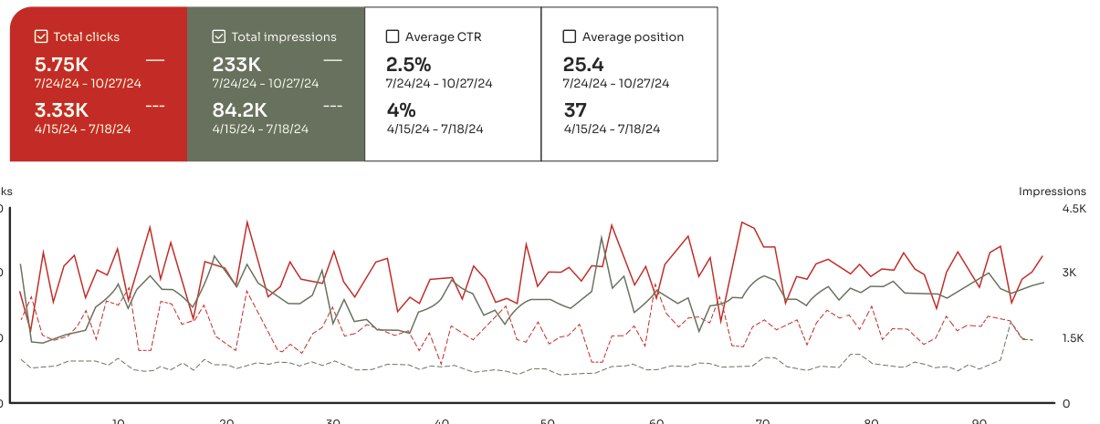
+72.67%organic clicks (3.33K → 5.75K)
+176.72%impressions (84.2K → 233K)
+10spots in average position

JIMGLO Trailers, last three months against the previous three. Rewritten titles, descriptions and a streamlined contact form delivered an 80% rise in leads.

From $200K to $2M+ a year on SEO alone – dashboard screenshot
Plumbing · SEO · client for 5 years

From $200K to $2M+ a year on SEO alone

10×annual revenue in 2 years
+339%phone calls (235 → 1,032)
1 → 129contact-form leads

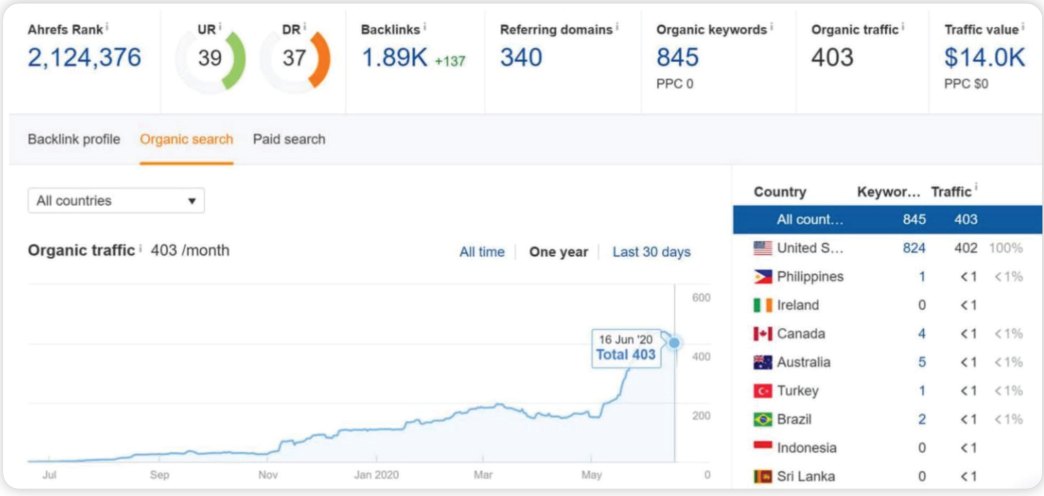
Sewer Experts started from scratch in Denver and ran no other marketing. Organic search took them from a new site to 845 ranking keywords and a phone that does not stop.

The amount of work they put in was impressive. We have received great feedback from the customers about our website and signed up over 500 people. Everything was delivered on time.

Manager, KQ CoursesWeb design, Google Ads and SEO client★★★★★ Verified on Clutch
Read all reviews
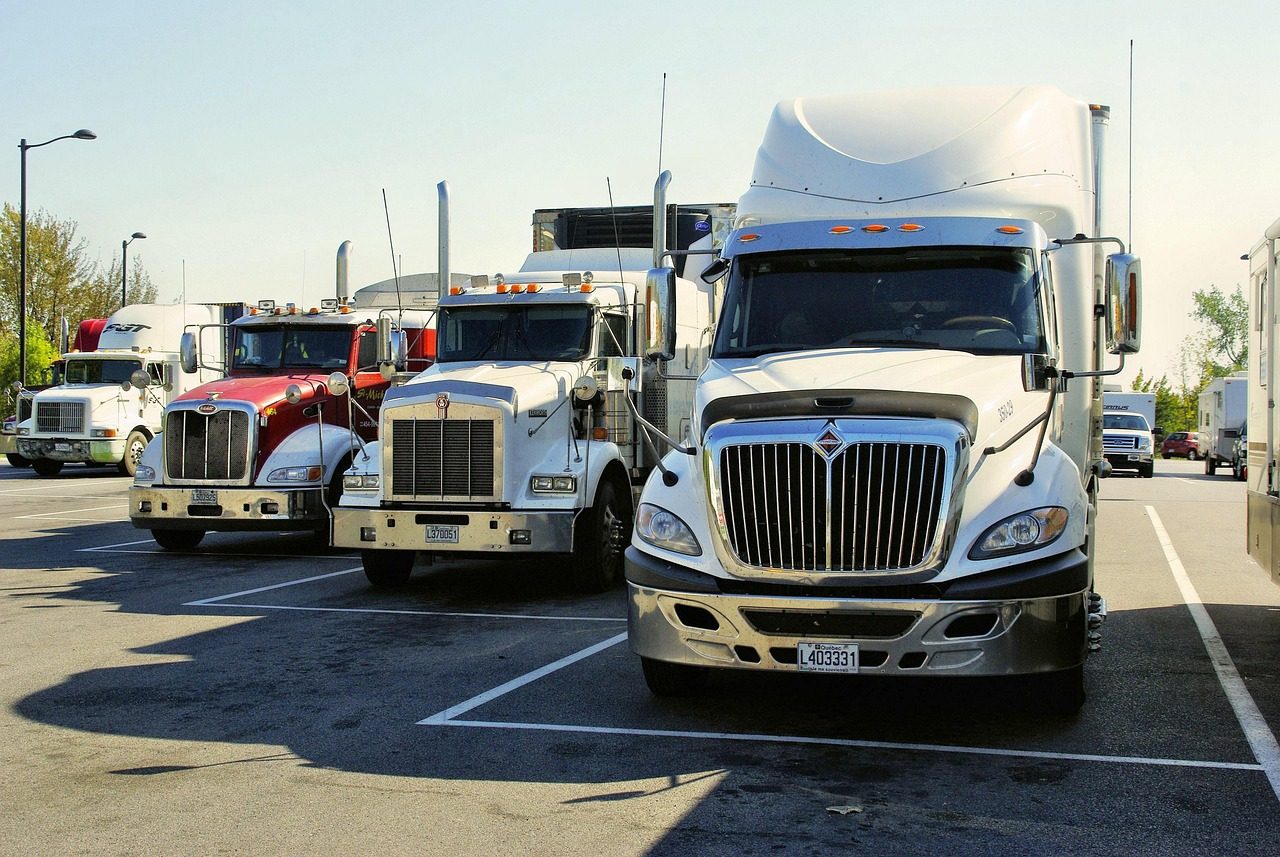
Fleet of trucks parked at a terminal

Free audit

What the free trucking SEO audit checks

Free, about a week, and the first month’s task list if you go ahead.

  • Rankings for lane, equipment and service searches shippers make
  • Rankings for driver job and reputation searches
  • DOT, MC, authority, safety and insurance facts across the site, profile, directories and FMCSA
  • Google Business Profile per terminal: categories, verification, photos
  • Carrier directories, load-board profiles and association listings
  • Reviews from shippers and drivers: count, rating, replies
  • Lane and equipment pages: present, specific, with quote flow
  • Recruiting section: pay, home time, schema, application
  • Broker onboarding page and carrier packet
  • Site speed on a phone
  • Carrier schema with DOT facts
  • Whether AI assistants name you for carriers in your lanes or for driver questions

Similar industries

Other logistics, industrial & b2b businesses we work with

Each page explains what changes for that industry.

Near you

Trucking SEO for the Front Range, Houston, Seattle and across the United States

Local campaigns are built around your service area. City pages for the markets where most of our clients are.

Kateryna Quinn

Written and reviewed by

Kateryna QuinnFounder and CEO, aStash. Forbes Next 1000, NOCO Style 30 Under 30

Kateryna founded aStash in Fort Collins in 2017 and has run SEO for trucking, trailer, industrial and logistics companies across Colorado, Texas and the United States, including JIMGLO Trailers, whose organic clicks rose 72.67% in three months. She reviews this page whenever Google changes how it treats business listings, job postings or AI answers.

Last reviewed: October 2026About aStashSEO servicesClient reviews

Trucking SEO FAQ

Straight answers before you call.

Anything else? (970) 399-9004 reaches a person in Fort Collins, not a call center.

How does SEO help a trucking company get more freight?

By ranking lane and equipment pages for the searches shippers and brokers make, stating DOT, safety and insurance facts identically everywhere so verification passes, and answering quote requests fast. Quotes are tracked to the lane and search that produced them.

Can SEO help us hire drivers?

Yes. A recruiting section with pay, home time, equipment, benefits and a mobile application, pages per position and region, and JobPosting schema that puts openings in Google’s jobs results lets drivers find you directly instead of only on job boards. Applications are tracked separately from freight quotes.

How long does trucking SEO take?

Lane and equipment pages for specific corridors often rank within two to four months because few carriers have them. Broad terms such as “trucking company [state]” build over six months. Recruiting pages with JobPosting schema can appear in jobs results within weeks.

Why do DOT and safety facts matter for SEO?

Brokers check them before tendering, and Google and AI assistants treat consistent registration facts as trust signals. DOT, MC, safety rating and insurance stated identically on the site, the Google Business Profile, carrier directories and FMCSA, with a compliance page, pass the check.

Should we publish rates?

Not usually; freight pricing varies by lane and market. Publish coverage, transit times, equipment and a fast quote process instead, and state pay ranges on recruiting pages, which drivers expect.

Do reviews matter for a carrier?

Yes, for both audiences. Shipper reviews support tendering decisions, and driver reviews on Google, Indeed and Glassdoor decide applications. We set up workflows for both and reply professionally to each.

How much does SEO for a trucking company cost?

A flat monthly rate fixed after the free audit, no contract. It depends on the number of lanes, equipment types, terminals and whether recruiting is included. The audit gives you the number before you commit.

Does AI optimization matter for carriers?

Yes. Shippers and drivers now ask ChatGPT and Google AI about carriers, and the answer draws on DOT data, directories, reviews and lane and recruiting pages. It is included in every plan and tracked monthly for both audiences.

Get a free trucking SEO audit, for shippers and for drivers.