Everything you need to know
Veterinary SEO: what makes it different, and what we do about it
Hours are a ranking and a trust signal
The urgent search is decided by who is open. Hours and after-hours policy that match on the Google Business Profile, the site and every directory earn the map-pack position and the call; hours that disagree lose both and generate angry reviews from owners who drove to a closed clinic. We align them first.
Prices online win the new client
Corporate chains publish exam and vaccine prices; independent clinics rarely do, and lose the comparison to the chain before anyone speaks to the vet. Prices or ranges on the service pages, with a new-client page that says what the first visit includes, rank for the cost searches and convert the comparison.
Reviews that name the pet
“Dr. Lee took such good care of Biscuit’s dental in Loveland” tells Google the service, the vet and the place, and tells the next owner everything. We request reviews after the visit through your practice software with a prompt that produces that review, and reply within a day.
What AI assistants need from a clinic
When someone asks ChatGPT or Google AI for a vet, the answer draws on the Google Business Profile, reviews, directories and service pages. Consistent hours and facts, reviews naming pets and vets, and pages that state services and prices are what get a clinic named. We track the answer monthly.
How to judge veterinary SEO results
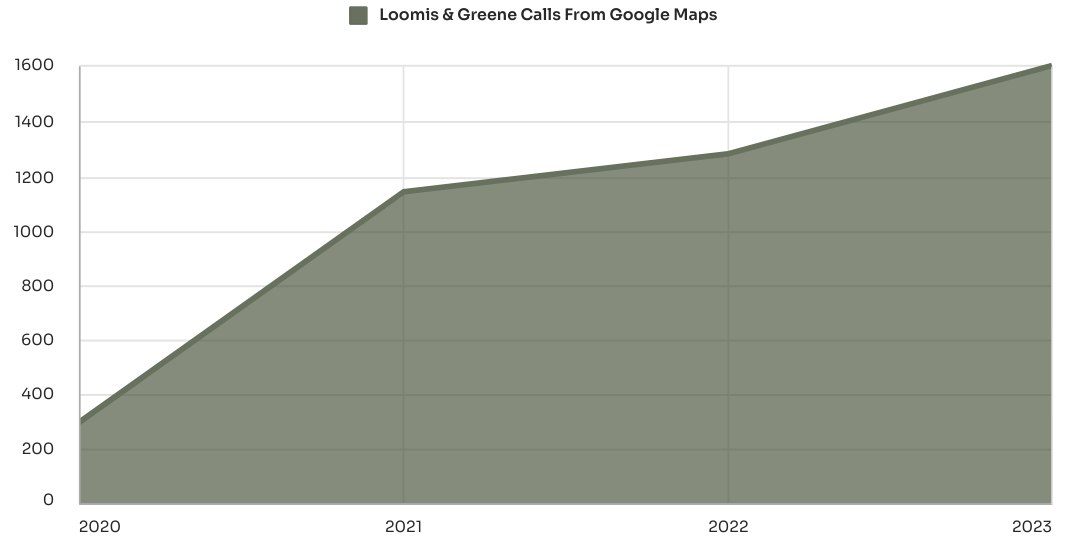
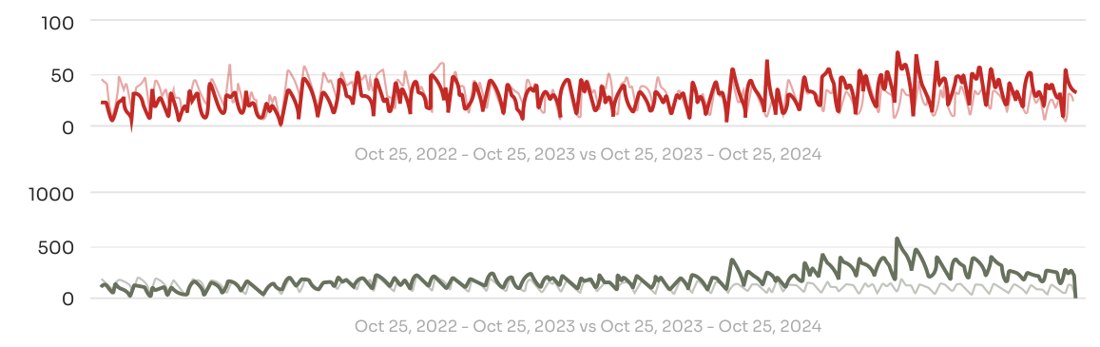
Veterinary SEO results are easy to fake with vanity metrics: impressions, keyword counts, domain scores. The numbers that matter to a veterinary clinic are calls, booked appointments, quote requests and the share of local search you hold against the competitors down the street. Every veterinary SEO agency on your shortlist should be able to show those numbers from a real client. Ours are on this page, with the screenshots behind them, and the same report format is what you receive every month, alongside reputation management and the internet marketing channels that feed it.