Logo system
Primary logo, secondary lock-ups, the mark alone, horizontal and stacked versions and clear-space rules, in every colour variant and file format.
Brand Identity
A logo is a signature. An identity is the whole handwriting: colours, type, photography, layout, tone and the rules that hold them together. We design identity systems that make a one-person business look established and a growing one look consistent.
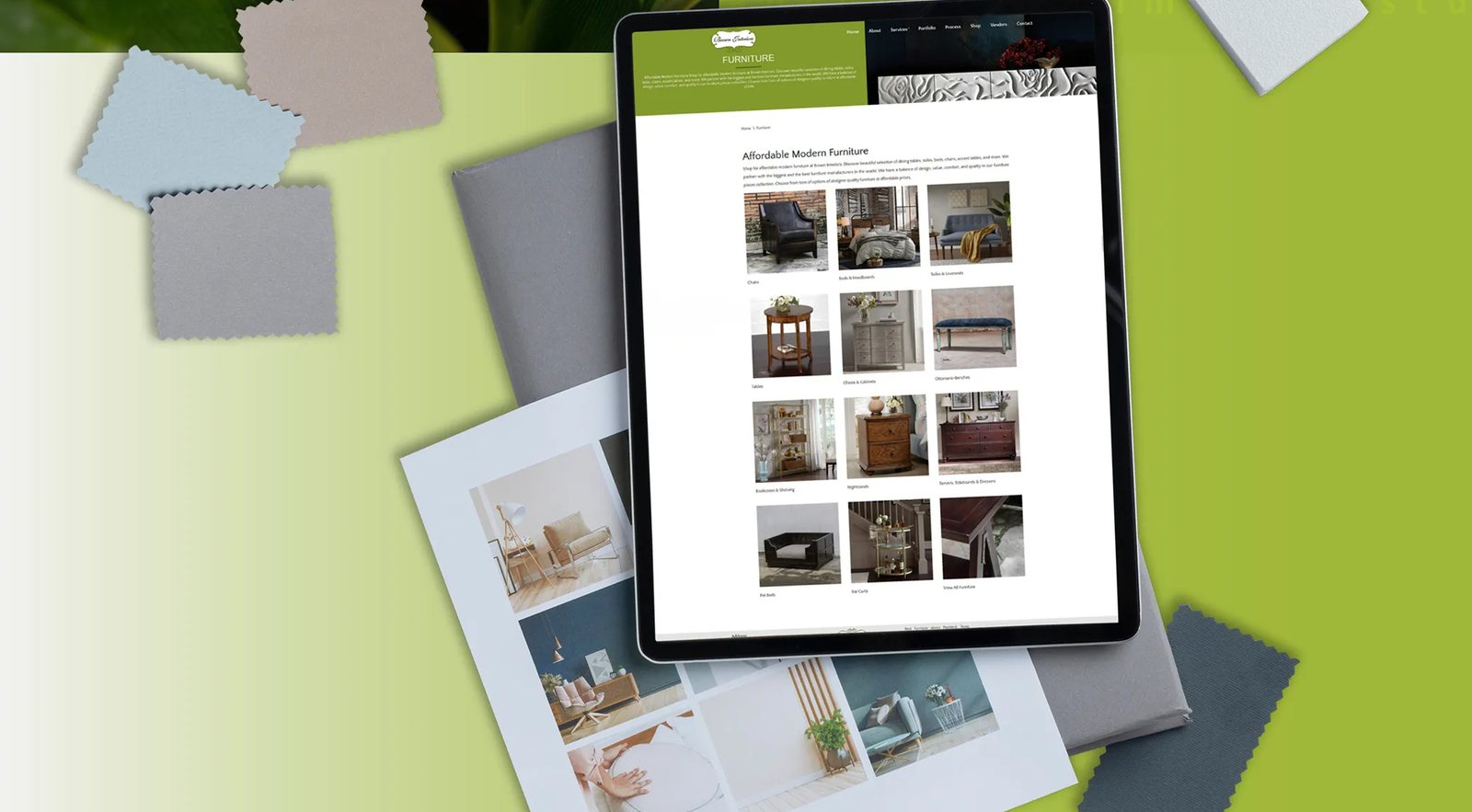
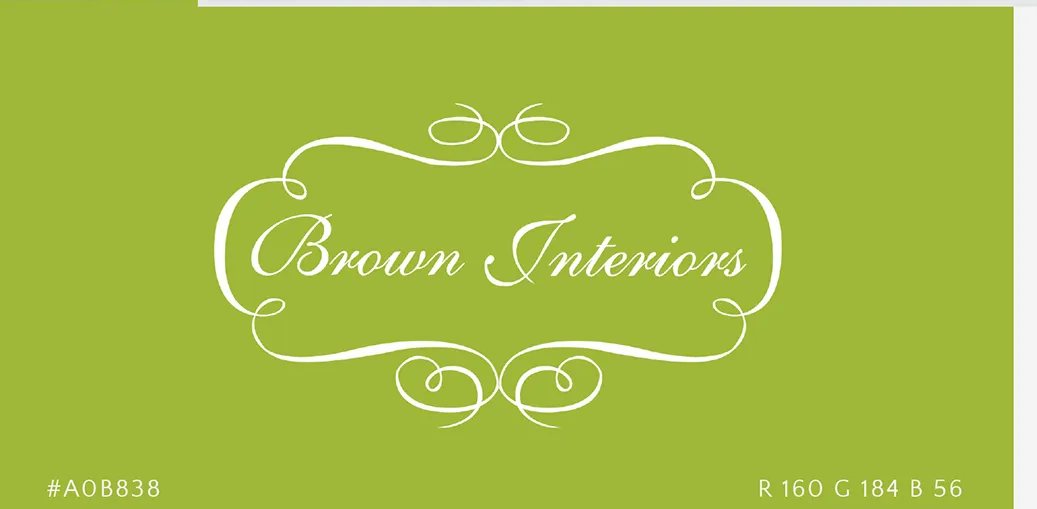
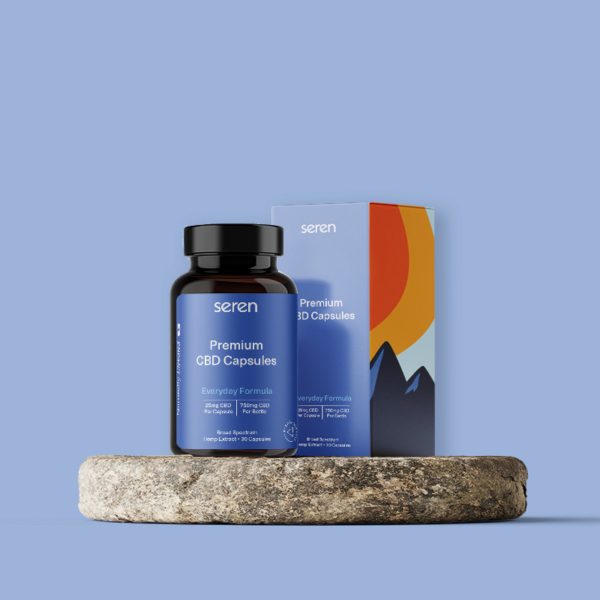
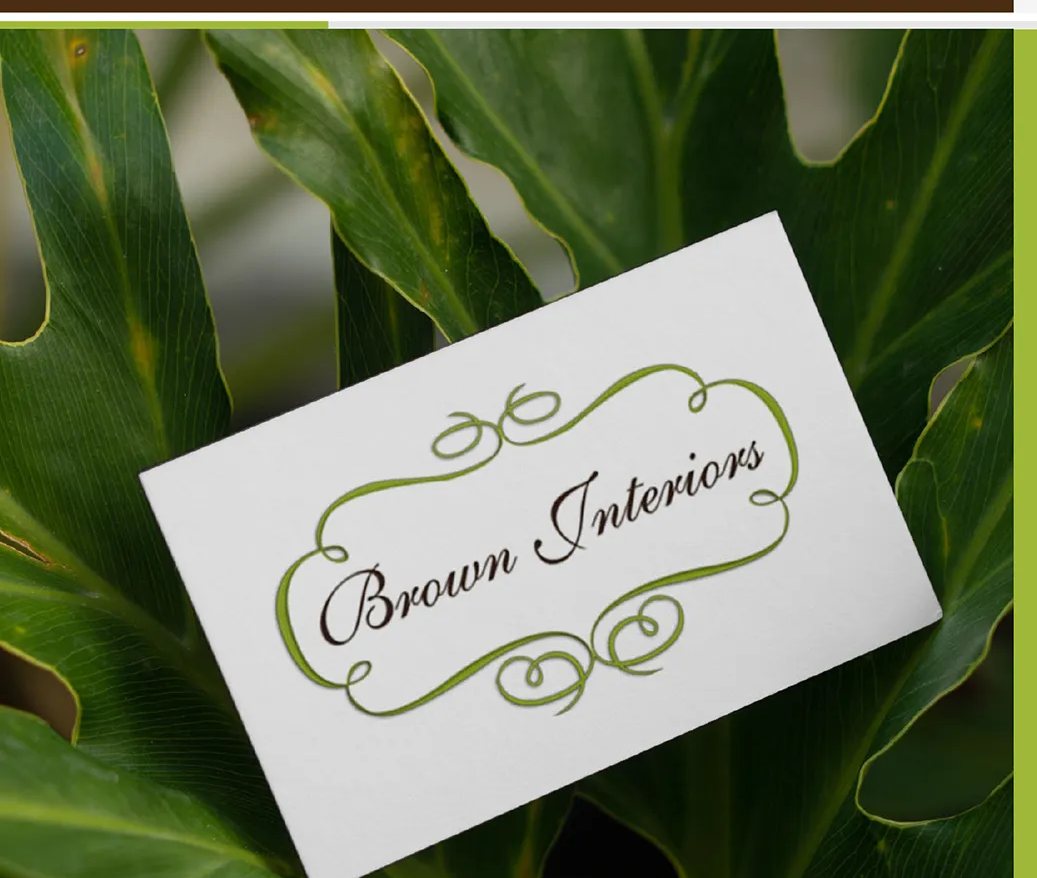
Customers rarely remember a single ad or post. They remember the accumulated impression of everything they have seen from you: the sign, the website, the invoice, the uniform, the Instagram grid. When those pieces look like they came from five different companies, trust leaks. When they look like one, every piece reinforces the others.
A brand identity project builds that system deliberately. We define the logo and its variants, a colour palette with roles for each colour, a typography hierarchy for headlines and body copy, an imagery and illustration style, and the layout principles that tie print and digital together. Then we document it in a guide your team, your printer and your next designer can follow.
aStash designs, builds and markets, so the identity is created by people who will also apply it to your website, social content and print. That is why our identities survive contact with the real world.
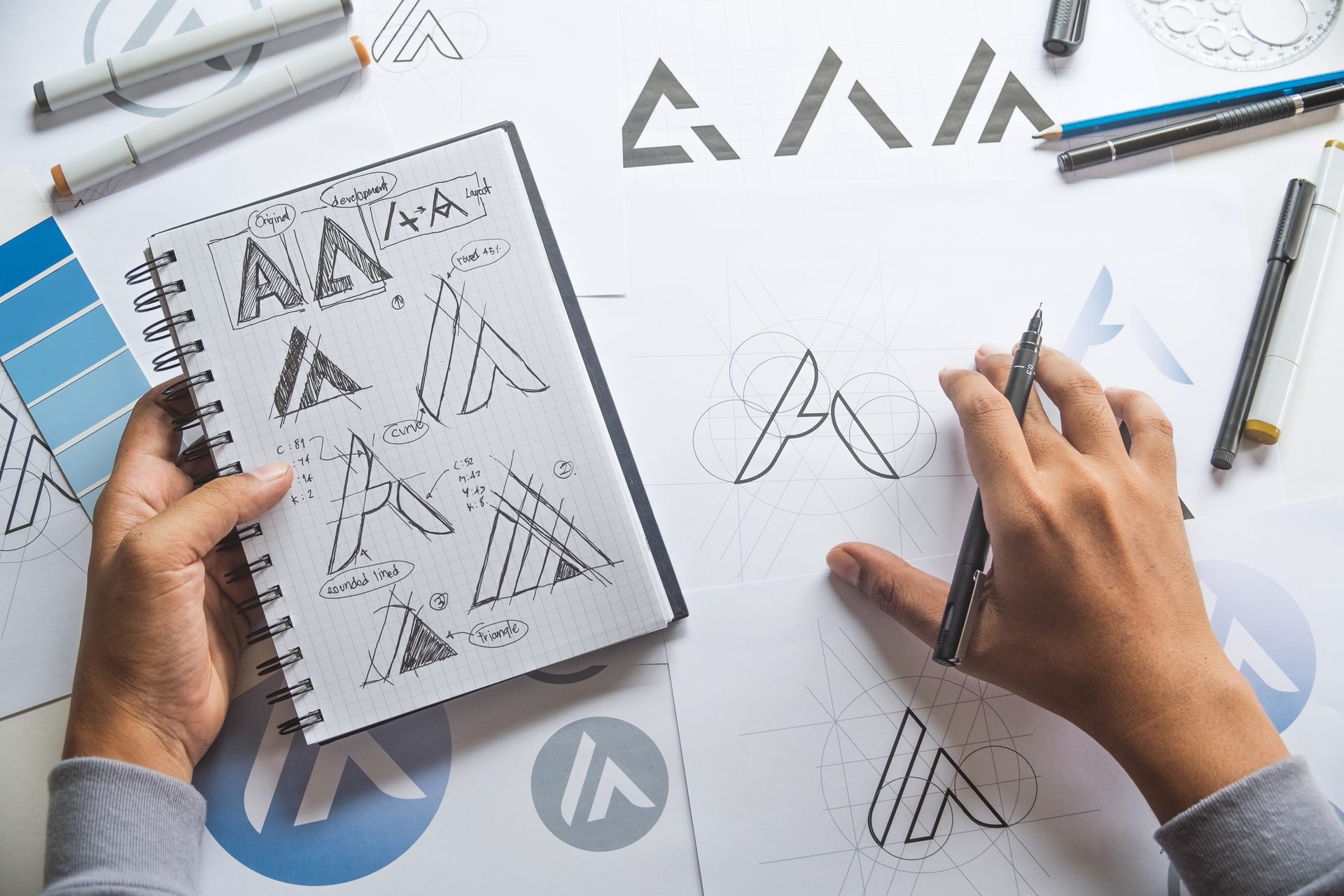
The system
Most businesses have a logo and a vague memory of a colour. The moment a new employee makes a flyer or a printer picks a blue, the brand drifts. An identity system removes the guesswork: which colour goes where, which typeface carries a headline, how photos are cropped, what the voice sounds like.
We design the system around the places your business actually shows up. A contractor gets vehicle, uniform and estimate templates. A boutique gets packaging, tags and an Instagram grid. A law firm gets stationery, signage and a document system.
The Identity System
Six parts, each documented in the style guide with files to match.
Primary logo, secondary lock-ups, the mark alone, horizontal and stacked versions and clear-space rules, in every colour variant and file format.
Primary, secondary and neutral colours with hex, RGB, CMYK and Pantone values, plus rules for which colours carry which jobs: backgrounds, accents, calls to action.
Headline and body typefaces, a size and weight scale, and web-safe fallbacks, licensed correctly for print and web.
Photography direction (lighting, crops, subjects), icon style and any illustration or pattern system, with examples and sourcing guidance.
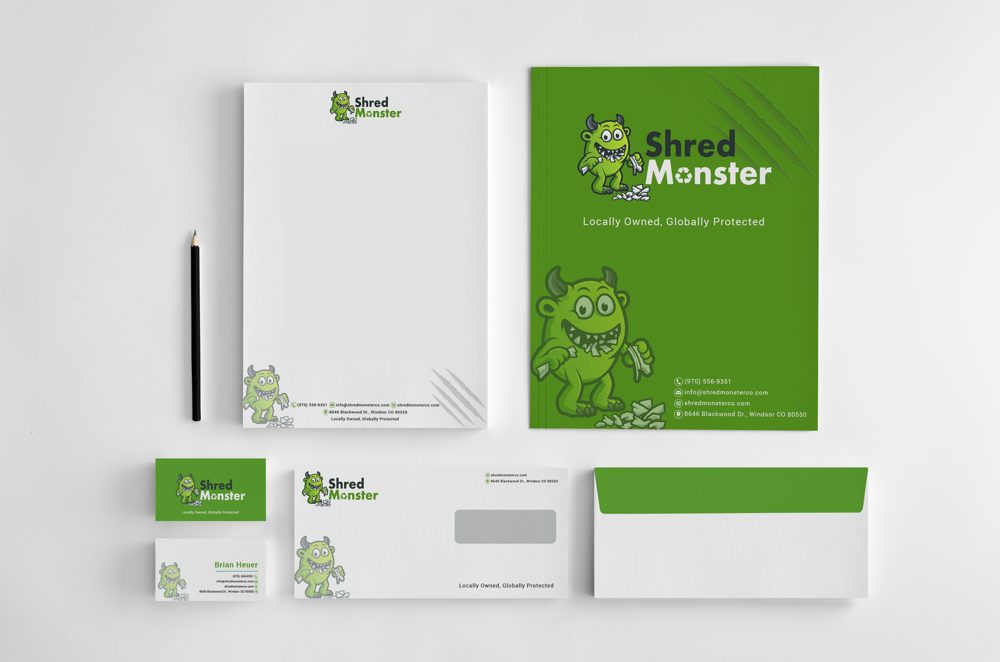
Business cards, letterhead, email signature, invoice template, presentation template and social media templates designed in the system.
A PDF and web page documenting all of the above with do-and-don’t examples, so the identity stays consistent as the business grows.
How We Work
These are the checks each concept has to pass before you see it.
Competitor audit, customer interviews where possible, and a positioning statement so the identity expresses a real difference, not a style preference.
Your staff, your printer and your web developer all need to apply the identity. Templates and rules are written for them, not for designers.
Every mark is tested at favicon size, in one colour, embroidered and on a phone screen before it is approved.
A system with secondary colours, lock-ups and patterns gives you room for campaigns and seasons without breaking the brand.
SVG logos, web colour tokens and font stacks are delivered alongside print files so the website matches the business card exactly.
Original marks, licensed typefaces and documented usage so the identity can be trademarked and defended.
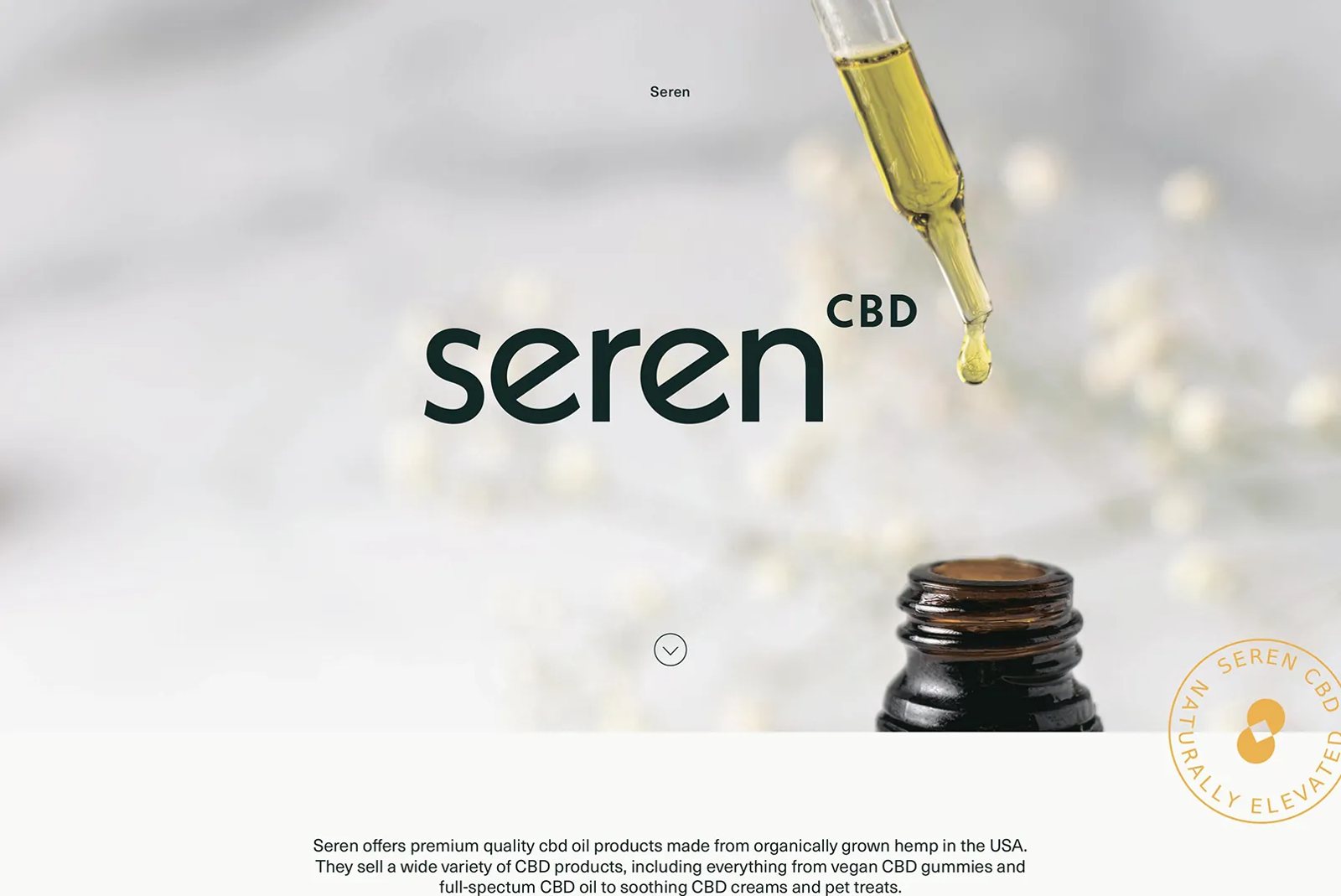
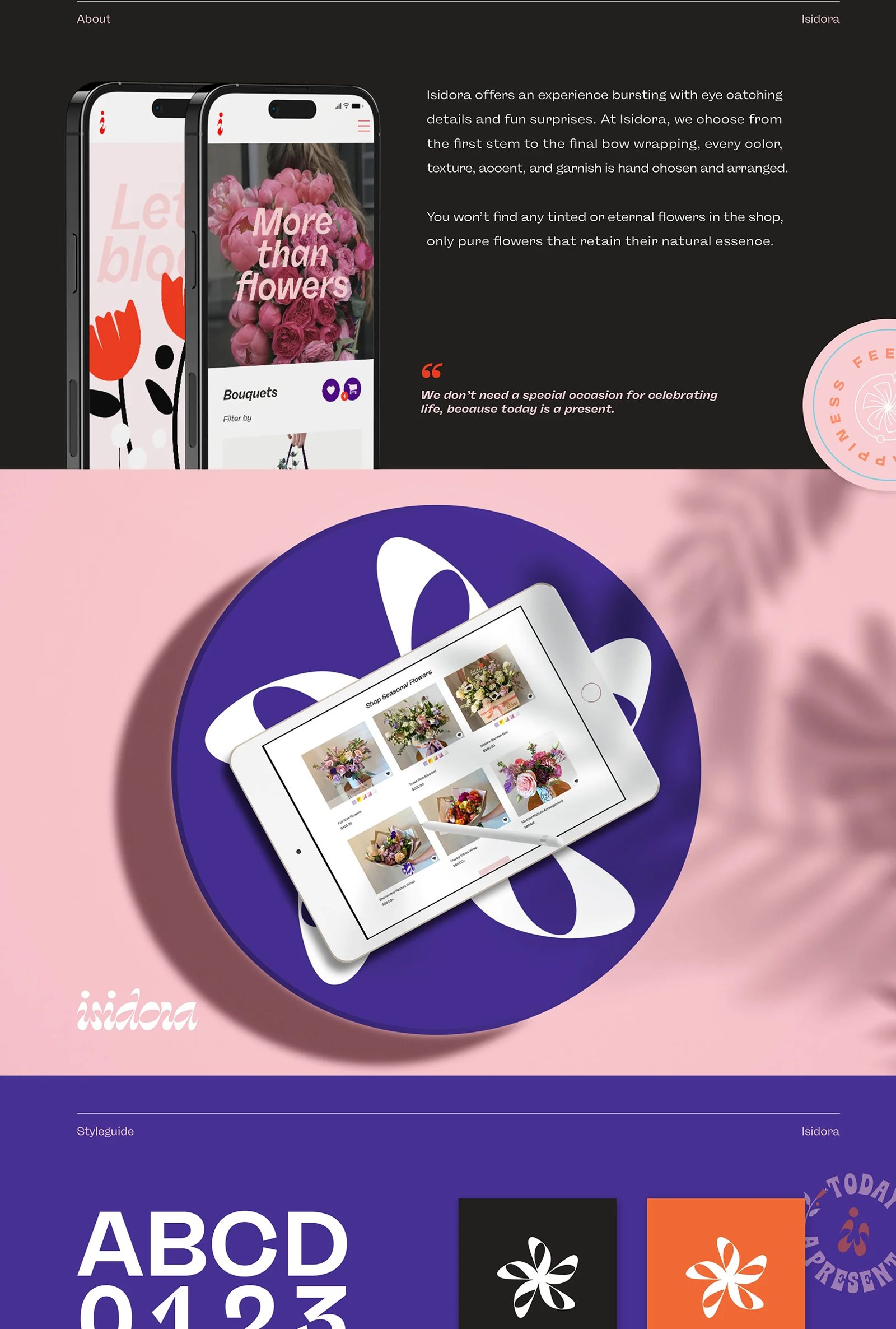
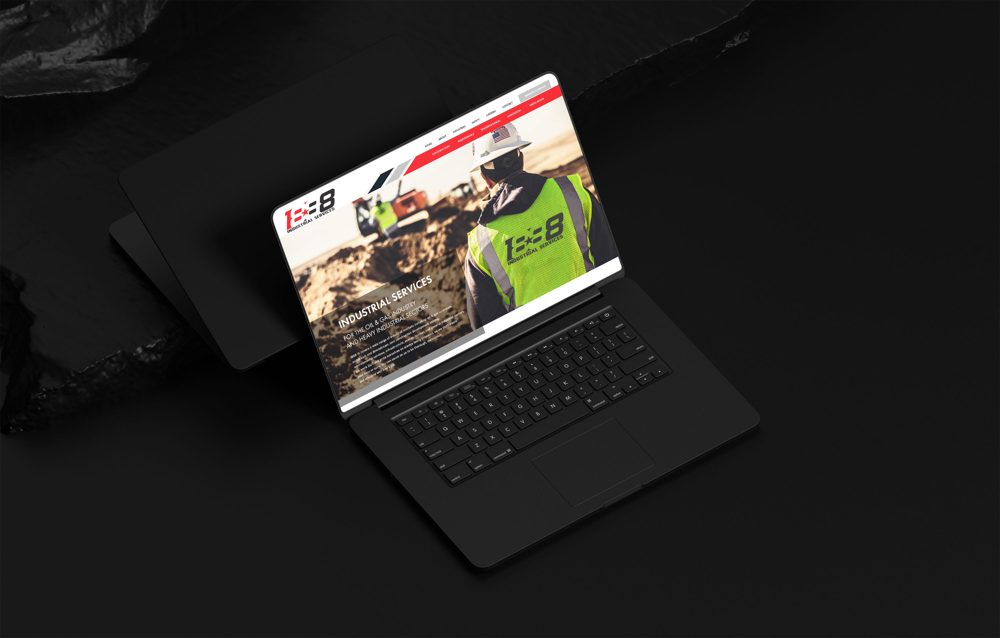
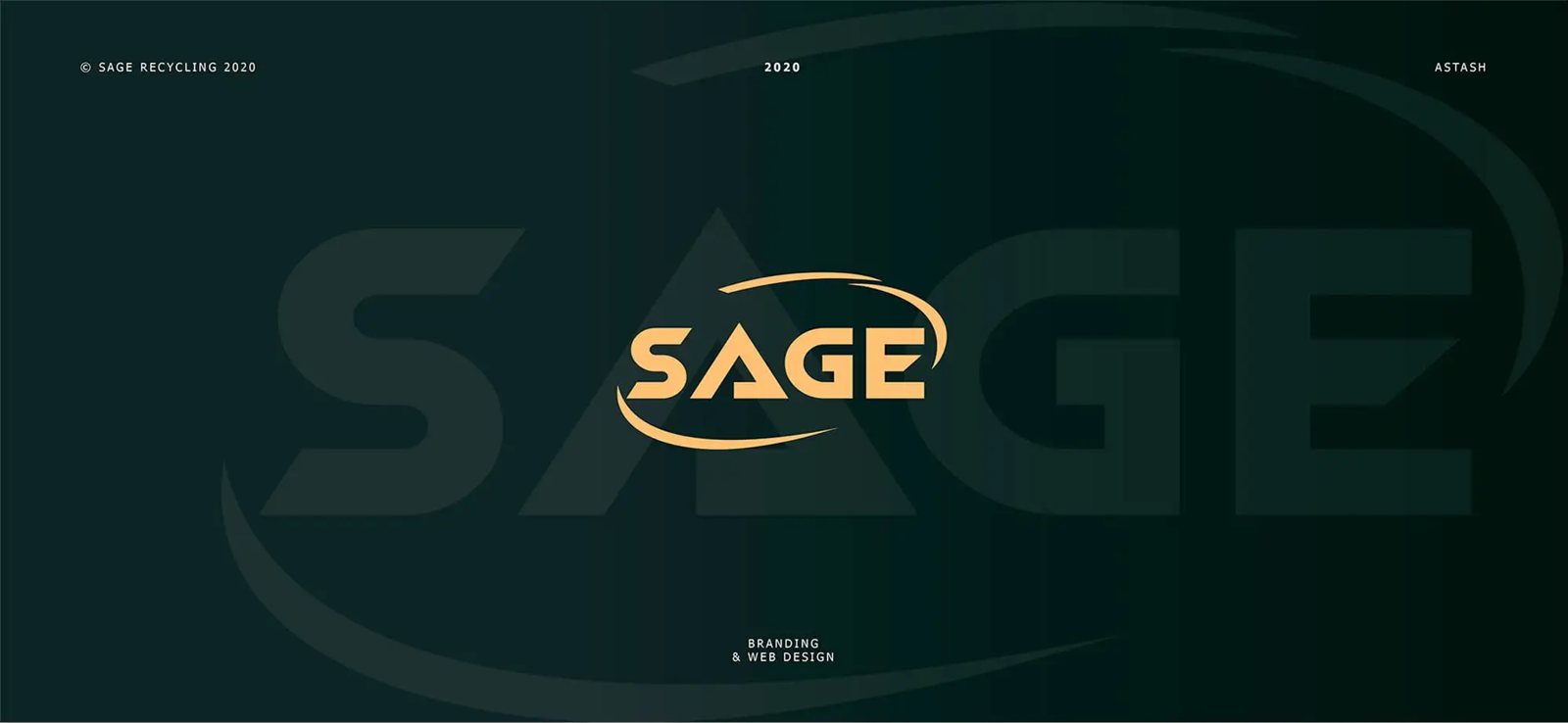
Selected work
Why aStash
Design, web and marketing under one roof, so the system is built to be applied, not admired.
What you receive
You receive the brand guidelines plus the working files behind them: logo masters and variants, colour values for print and screen, licensed font files or free equivalents, templates for the documents you use most and a social media kit sized for every platform.
Because aStash also designs websites, writes content and runs social media, the identity is applied by the people who designed it. That is why our identities survive the first real-world test and the hundredth.

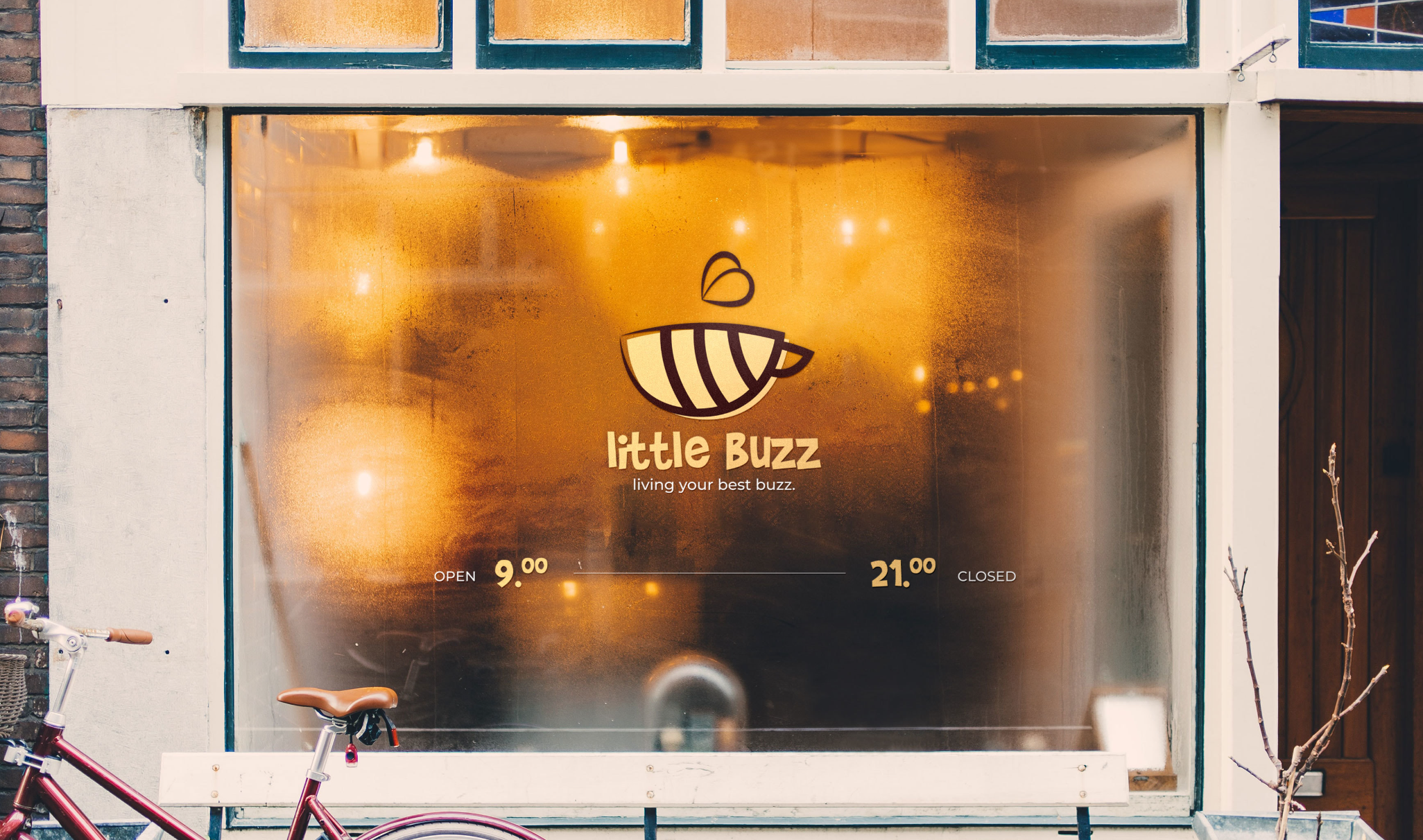
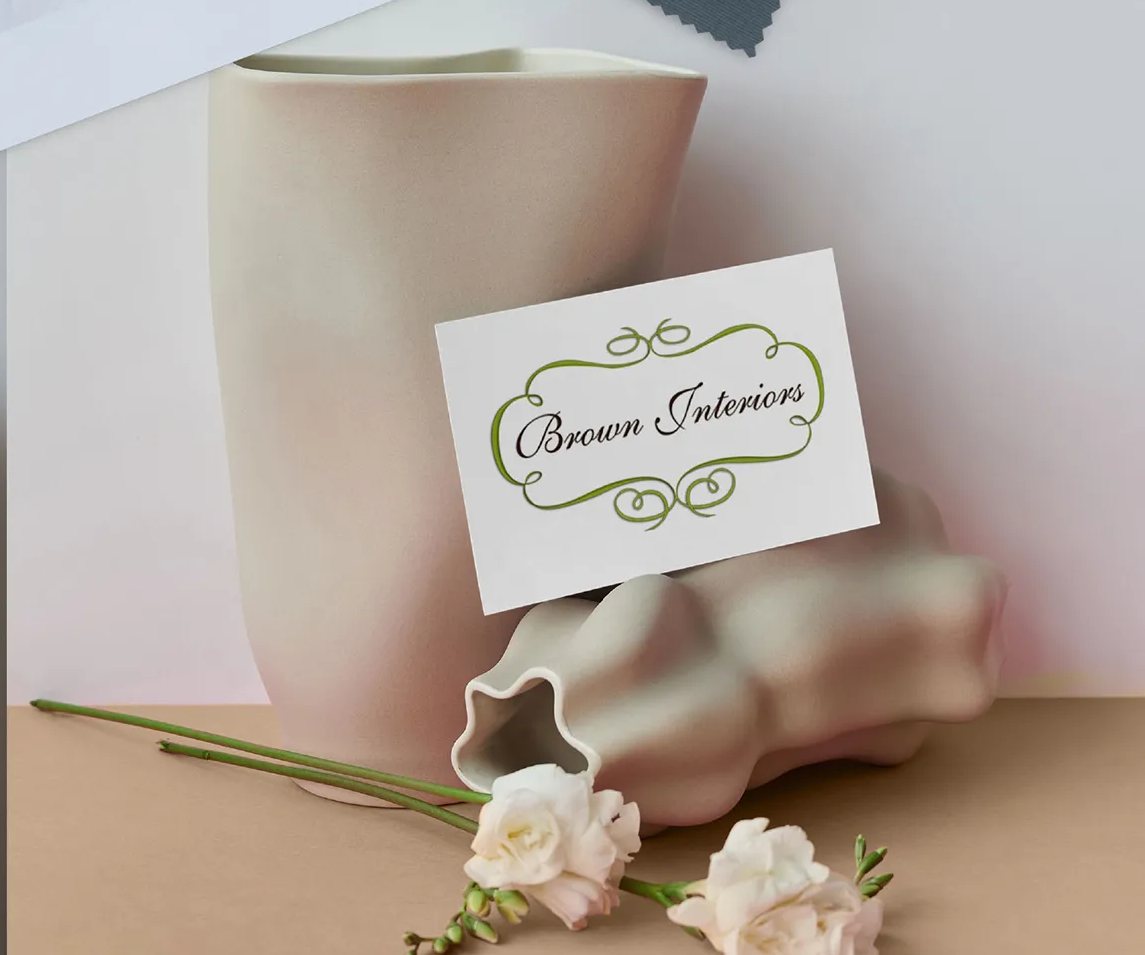
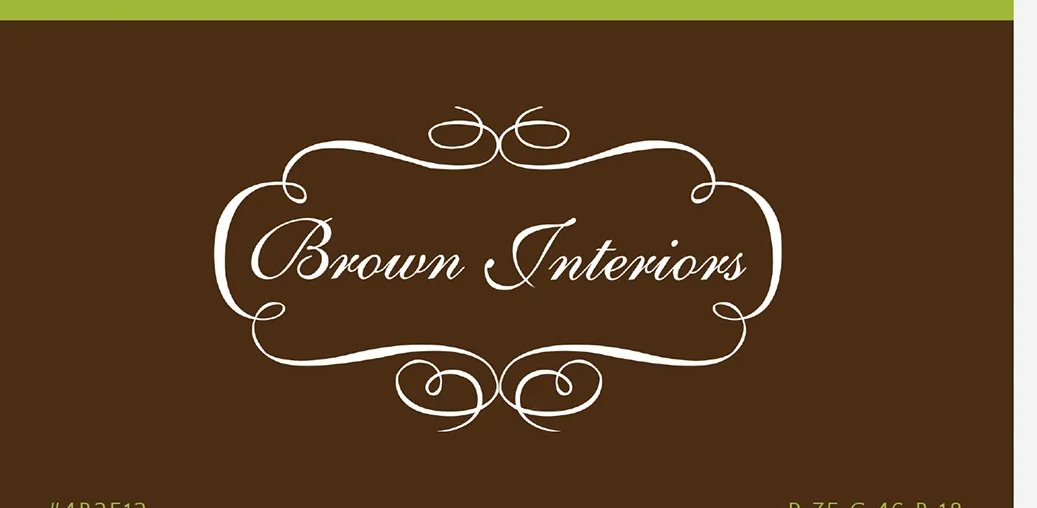
In Use
The test of an identity is how it holds up on real objects.
Timeline
Each stage ends with your approval so nothing is built on a direction you have not seen.
Brief workshop, competitor audit, customer and market review, positioning statement and creative brief signed off.
Three identity directions, each shown as a logo, palette, type and three applications, with the thinking behind them.
Chosen direction developed in full: logo system, palette roles, type scale, imagery direction. Unlimited revisions.
Business cards, letterhead, email signature, social templates and any priority pieces designed in the system.
Brand style guide, organized file package and a handover call with your team or printer.
Client reviews
“Bringing their team's creativity and attention to detail into every challenge, they definitely heard my ideas. The team was very professional and saw eye to eye with our founders.”
“They brought wonderful designs to the table and were quick to add in or change anything I wanted. I've noticed my online store is getting more orders since the new site was live.”
“Their quick responses and speed to final product. They were always ready to meet or have a phone call to discuss next steps.”
Related services
FAQ
Anything else? (970) 399-9004 reaches a person in Fort Collins, not a call center.
A logo is one mark. A brand identity is the complete visual system around it: colours, typography, imagery, layout rules, stationery and the guide that keeps them consistent. Identity projects include the logo.
Yes. Many identity projects start from an existing mark. We keep what works, fix legibility or file issues, and build the palette, type and templates around it.
Logo usage and clear space, colour values and roles, typography scale, imagery direction, stationery and template examples, and a page of things not to do. Delivered as a PDF and, if you want, a private web page.
We specify typefaces that are licensed for your use and tell you exactly where to get them. Where possible we choose faces available on Google Fonts so web and print stay free and consistent.
Yes. aStash designs and develops websites, so the identity flows straight into the site without a second agency reinterpreting it.
Flat project pricing agreed before work starts, scoped to the number of applications you need. No hourly billing.