Keyword mapping by category
Every category, sub-category and top product gets one primary buying keyword and a set of long-tail variations, prioritized by volume and intent.
Ecommerce SEO
Buyers search for products and categories, not brand names. Ecommerce SEO puts your category and product pages in front of them at the moment they are ready to buy, and it keeps working long after an ad budget runs out.
Ecommerce SEO is different from SEO for a service business. You are not optimizing ten pages, you are managing a site with hundreds of categories, thousands of products, faceted filters that create endless URL variations, and inventory that changes every week. Get the structure wrong and Google wastes its crawl on duplicate pages while your best categories sit on page four.
We fix the architecture first: which categories exist, how they link, which filters are indexable, how out-of-stock products are handled. Then we build product and category content that answers buying questions, add product, offer and review schema so listings show price and stars, and earn links from publications in your niche.
For Brown Interiors we restructured a 40,000-product furniture catalog so shoppers and search engines could navigate it. Every aStash SEO plan is built to reach a 300% traffic increase and runs month to month at a flat rate.

The catalog problem
A store with 2,000 products and six filters can generate hundreds of thousands of URLs, most of them near-duplicates. Google spends its crawl on the duplicates, misses the category pages that matter, and ranks a competitor’s thinner page instead.
We map the whole site before touching a single title: which categories deserve to exist, which filters should be indexed, how out-of-stock and discontinued products are handled, and how internal links pass authority down to the products that sell.
Organic sells
Isidora Flowers, three months after launch: share of website conversions and revenue by channel.
What’s Included
One team handles the technical, content and authority work so nothing falls between a developer and a copywriter.
Every category, sub-category and top product gets one primary buying keyword and a set of long-tail variations, prioritized by volume and intent.
Canonicals, faceted navigation rules, pagination, XML sitemaps and robots directives so Google indexes the pages that matter and skips the duplicates.
Product, Offer, AggregateRating and Breadcrumb structured data so listings show price, stock and star ratings in the results.
Buying guides on category pages and unique descriptions on products that answer sizing, material and comparison questions without duplicating the manufacturer’s text.
Editorial links from design, lifestyle and industry publications, plus digital PR around new collections, that lift domain authority for the whole catalog.
Image optimization, lazy loading, caching and script clean-up that take 40,000-product stores to 70%+ mobile speed scores.
Deliverables
Concrete outputs you can see in the store and in Search Console, not a list of activities.
A visual map of every category, sub-category and filter with its target keyword, URL and index status, updated as the catalog grows.
Each crawl, canonical, redirect and schema fix documented with the date and the URLs affected, so your developers and ours stay in sync.
Rewritten titles, headings, intro copy and buying guides for the categories with the most revenue potential, shipped in priority order.
Unique, human-reviewed descriptions for top products in batches of 50 to 200, with size, material, care and comparison details buyers search for.
A monthly list of earned links and mentions with the publication, the page linked and the anchor text.
Keyword positions by category, organic sessions, organic orders and revenue from Google Analytics in one plain-English report.
Selected work


Real store, real numbers
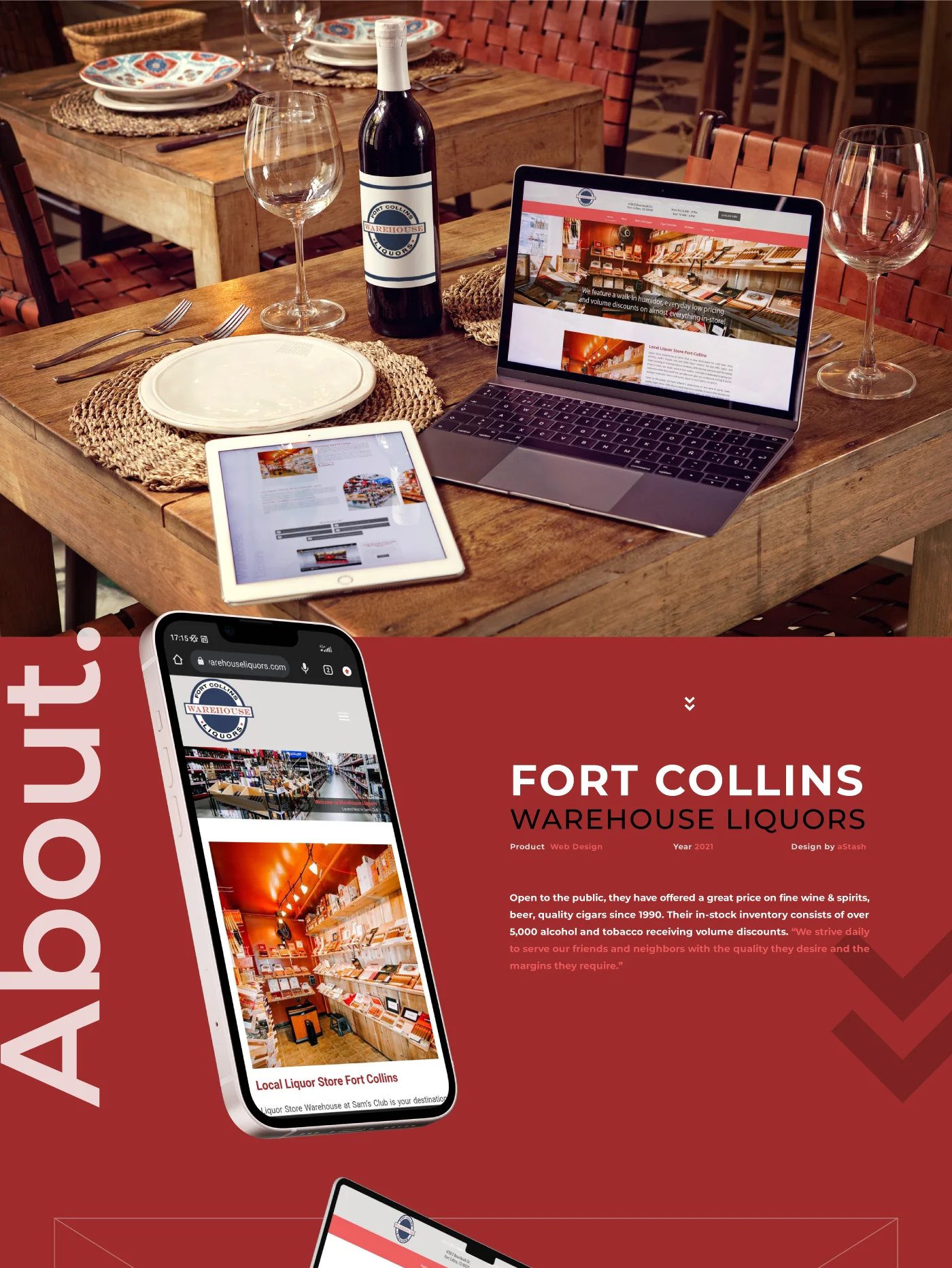
Brown Interiors grew to over three hundred vendors and several million dollars in sales on a store aStash structured, built and optimized.
Why aStash
Paid traffic stops the day you stop paying. A category page that ranks keeps sending buyers every month, and the content we write for it answers the questions that would otherwise go to a chatbot or a competitor.
Every plan is month to month at a flat rate, with a plain-English report on rankings, organic revenue and the pages that produced it. We have run SEO for ecommerce stores, manufacturers and retailers since 2017.

Platforms & Tools
We work inside your platform and report from the sources Google itself uses.
Timeline
Large catalogs move in a predictable order. Technical gains show first, category rankings second, product long-tail third.
Full crawl of the store, keyword mapping for every category, index clean-up plan and schema deployment.
Canonicals, facet rules, sitemaps, redirects for discontinued products and speed work released. Indexed page count starts to make sense.
Rewritten category pages with buying guides move into the top 10 for mid-volume keywords. First niche links land.
Hundreds of product pages pick up long-tail searches. Organic orders become a line you can plan around.
Every new category or product line follows the architecture, so growth does not create new SEO debt.
Client reviews
“We went from receiving no organic online orders to 4-5 per week and those continue to grow. The workflow between our team and theirs was very effective.”
“Our board of directors really liked every element. We get most of our ticket sales online which saves time for our staff. All the changes or updates are done within 24 hours or less.”
“They brought wonderful designs to the table and were quick to add in or change anything I wanted. I've noticed my online store is getting more orders since the new site was live.”
Related services
FAQ
Anything else? (970) 399-9004 reaches a person in Fort Collins, not a call center.
Scale and structure. A store has thousands of URLs, filters that multiply them, and stock that changes daily. Ecommerce SEO is mostly about architecture, crawl control and schema, then content and links on top.
Category pages. They target the broader buying searches with real volume and they pass authority to every product beneath them. Product pages pick up the long tail once the categories rank.
Yes. Descriptions are written by people, reviewed for accuracy against your specifications, and delivered in batches so you can review before they go live. We never paste manufacturer text.
Temporarily out-of-stock pages stay live with a restock notice. Discontinued products are redirected to the closest category or replacement so you keep the rankings and links they earned.
Yes, and it should. Organic listings and Shopping ads often appear together, and the product feed work overlaps. Many of our stores run both from one flat-rate plan.
Technical fixes show in Search Console within weeks. Category rankings typically climb over 3 to 4 months and the product long-tail compounds from month 5 onward. You see every step in the monthly report.