Skip to content
Doctor talking with a patient in a clinic

SEO & AI Optimization for healthcare providers

SEO for healthcare providers: the rules of health content, applied to a practice that needs patients

Medical practices, clinics, specialists and allied-health providers all face the same two facts: patients search conditions and insurance, and Google holds health content to its strictest quality rules. aStash builds healthcare SEO for both: condition and service pages in patient language, provider authority with credentials and schema, insurance and scheduling clarity, reviews and the AI answers that now recommend providers, within privacy rules. Flat monthly rate, no contract, reported in appointments.

Condition pagesProvider authorityInsurance clarityOnline schedulingPrivacy-compliant reviews
0named, credentialed provider on every clinical page, which Google’s rules require
0more leads for a Colorado professional-services client on local SEO
0to 60 days before map-pack movement for most practices
SEO for healthcare providers01

Health content is held to a higher standard. Practices that meet it rank; practices that do not are discounted.

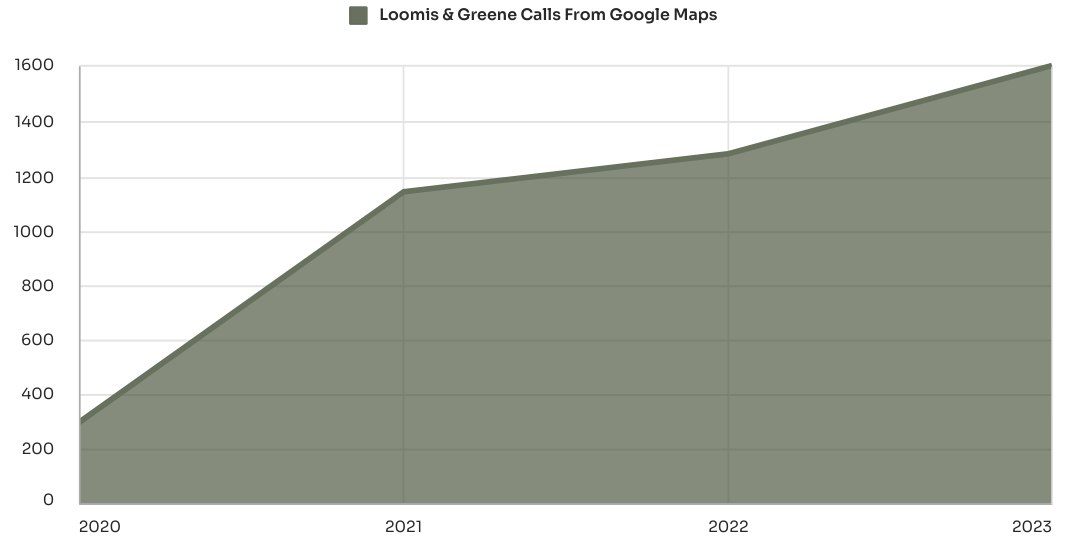
0Google Maps calls a year for a Colorado professional-services client, from about 300

Healthcare search has two halves. Patients search conditions and symptoms, “why does my knee hurt”, “signs of strep throat”, which Google answers from the most authoritative source it can find. And patients search for care, “family doctor near me accepting new patients”, “dermatologist that takes [insurer]”, “urgent care open now”, which Google answers from the map pack and the practices whose pages state insurance, hours and providers clearly.

Google applies its strictest quality guidelines to both. Health pages without a named, credentialed author, without dates, with claims that do not match consensus, are discounted no matter how well designed the site is. AI assistants apply the same test before citing. That is why most practice websites, a template with a services list and a bio, rank for the practice name and nothing else, while the hospital systems and health publishers take the searches.

aStash builds healthcare SEO to pass the test: condition and service pages in patient language attributed to the treating provider; provider profiles with credentials, board certification, specialties and schema; insurance, scheduling and telehealth clarity; a Google Business Profile and privacy-compliant review workflow that win the local search; and the structured facts that get AI assistants to name the practice. A Colorado professional-services client on the same authority-first system saw five times the leads.

Stethoscope on a doctor's desk beside a laptop

Why it is hard

Why healthcare providers struggle to get found

Medical practices lose patients online for reasons that trace back to Google’s health-content rules.

0searches most patients make: the condition, then the care
  • Clinical content has no named author, so Google’s rules discount it and publishers rank instead.Condition and service pages attributed to a named, credentialed provider, dated and reviewed.
  • Provider profiles are a paragraph, which fails both Google and the patient’s credential check.Profiles with credentials, board certification, specialties, languages, locations and schema, as the author of clinical pages.
  • Insurance and new-patient status are unclear, so the patient books elsewhere.An insurance page with accepted plans, new-patient status per provider and location, and telehealth availability.
  • The Google Business Profile has the wrong category and few reviews, so the map pack goes to the group.Correct medical categories per location and provider, verification, photos, posts and a privacy-compliant review workflow.
  • Scheduling is phone-only during office hours, which is when nobody can call.Online scheduling or appointment requests connected to your practice system, with confirmation and reminders.

What we do

SEO and AI optimization services for healthcare providers

Six things every healthcare SEO plan includes, built for Google’s health rules and how patients choose care.

Condition and service pages

Conditions, symptoms, treatments and services for your specialty, in patient language, with what to expect, insurance and the provider who treats them, attributed and dated.

  • Page per condition and service
  • Provider-attributed, dated
  • Insurance stated

Provider authority

Profiles with credentials, board certification, specialties, languages, locations and new-patient status, Physician and MedicalBusiness schema, authorship on every clinical page.

  • Physician schema
  • Authorship on clinical pages
  • Credentials consistent everywhere

Insurance, scheduling and telehealth clarity

An insurance page with accepted plans, new-patient status, online scheduling or appointment requests, telehealth by state, and patient portal links.

  • Insurance page
  • Online scheduling
  • Telehealth by state

Local presence per location and provider

Google Business Profiles with correct medical categories, verification, photos and posts, and listings aligned across insurer and medical directories.

  • Profiles per location and provider
  • Correct categories
  • Listings aligned

Reviews, privacy-compliant

A request workflow after visits through your practice system, prompts that focus on service, and replies that never confirm care or health details.

  • Post-visit requests
  • Service-focused prompts
  • Compliant replies

AI optimization for providers

Physician and MedicalBusiness schema, consistent credentials everywhere, answer-first condition pages and reviews, so ChatGPT, Perplexity and Google AI name your practice when someone asks for care in your specialty and city.

  • Physician schema
  • Monthly AI prompt tracking
  • Citations on the sources assistants use

How customers search

The three ways people search for a healthcare practice, and what wins each one

Patients search the condition, then the care, then book. Each step is a different search.

Condition

“when should I see a doctor for a cough”

Condition pages in patient language attributed to a provider, with when-to-seek-care guidance and next steps.

  • Provider-authored condition pages
  • When to seek care
  • FAQ schema

How we do it

How aStash builds SEO for a healthcare practice, step by step

Provider authority and clarity first, because health content does not rank without the first and patients do not book without the second.

01/ 06

Audit

Week 1

Scroll to follow the first six months

  1. 01Week 1

    Audit

    Rankings for condition and care searches in your specialty and city, profiles per location and provider, insurer and medical directories, reviews, provider profiles, scheduling flow, site speed, and what AI assistants say when asked for care in your specialty.

    • Condition and care rankings
    • Profile and directory audit
    • AI visibility check
  2. 02Week 1 – 2

    Profiles, credentials and tracking

    Profiles verified and corrected with the right categories. Credentials aligned on the site and every directory. Insurance page live. Call and appointment tracking live.

    • Profiles corrected
    • Credentials consistent
    • Insurance page
  3. 03Weeks 2 – 8

    Condition, service and provider pages

    Pages per condition and service attributed to providers, provider profiles with schema, scheduling and telehealth pages, navigation links.

    • Condition pages
    • Provider profiles
    • Scheduling pages
  4. 04Months 2 – 3

    Reviews and scheduling

    A privacy-compliant review workflow with a response guide, and online scheduling connected to your practice system.

    • Review workflow
    • Response guide
    • Online scheduling
  5. 05Months 2 – 6

    Authority and content

    Insurer, medical and hospital directories aligned, society listings, community and referral links, and monthly condition content attributed to providers.

    • Directories aligned
    • Community links
    • Provider-authored content
  6. 06Every month

    Report in appointments

    Rankings by condition and care search, map-pack position per location, appointment requests and calls from search, reviews earned, AI mentions.

    • Appointments by source
    • Map pack per location
    • AI mentions

By service line

What each kind of healthcare practice work needs online

Each kind of practice is searched differently, and the plan adapts.

Primary care and family medicine

Profiles per provider with new-patient status, an insurance page and online scheduling

Profiles per provider with new-patient status, an insurance page and online scheduling. Decided locally, in the map pack.

  • Searches: “family doctor near me accepting new patients”, “annual physical [city]”, “pediatrician near me”
  • Provider-attributed page
  • Insurance and new-patient status stated

Generic vs. specialist

What changes when the SEO plan is built for a healthcare practice

A practice template versus a plan built for Google’s health rules and how patients book.

 
Generic SEO package
aStash plan for healthcare providers
Content
A services list
Condition and service pages in patient language, provider-attributed
Authority
A paragraph bio
Provider profiles with credentials and schema, as author of clinical pages
Clarity
“Call for information”
Insurance, new-patient status, scheduling and telehealth stated
Profile
One category, no reviews
Correct categories per location and provider, compliant review workflow
Scheduling
Phone, office hours
Online scheduling with confirmation
Reporting
Traffic
Appointments by source, map pack per location, AI mentions

Case Studies

Real Campaigns.
Real Numbers.

Screenshots straight from Google Business Profile, Search Console, Ahrefs and Google Ads for aStash clients. No projections, no mock data.

5× more leads for a Colorado law firm – dashboard screenshot
Law Firm · SEO · client for 5+ years

5× more leads for a Colorado law firm

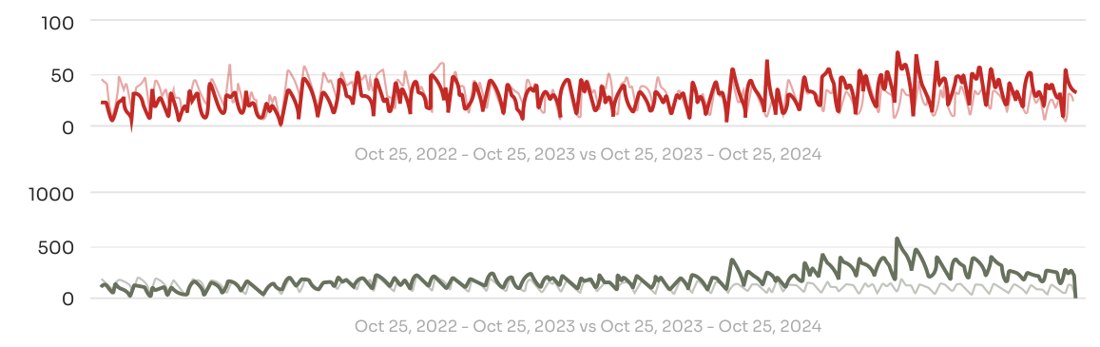
5×leads from SEO only
1,600Google Maps calls a year, up from ~300
1,045#1 rankings in Loveland (+405)

Loomis & Greene had switched three agencies before aStash. Five years later they still rank #1 for 318 Fort Collins and 149 Greeley searches.

81% share of local voice for "immigration attorney" in Houston – dashboard screenshot
Immigration Law · Local SEO · client for 4 years

81% share of local voice for “immigration attorney” in Houston

+56%search impressions (44.0K → 68.8K)
+80%call clicks (2.7K → 4.8K)
+43%website clicks (2.9K → 4.2K)

Vega & Associates, year over year on Google Business Profile. Across a 13×13 grid covering 8 miles of Houston the firm averages position 3 on the map.

Their customer service is their biggest strength. They have delivered on time, within budget, and communicated well with us. Their work has helped us increase the number of people using our contact forms.

Aide, Denver City Council District 10Web design client★★★★★ Verified on Clutch
Read all reviews
Clinic reception desk

Numbers

What authority-first local SEO produces for professional practices

Loomis & Greene · Law firm, Colorado
0more leads for a Colorado professional-services client on local SEOLoomis & Greene
Loomis & Greene · Law firm, Colorado
0Google Maps calls a year for the same client, from about 300
Loomis & Greene · Law firm, Colorado
0#1 rankings held by the same client
Typical first build
0condition and service pages in a typical first build, each provider-attributed
Most local accounts
0to 60 days before map-pack movement
Every plan
0hours or less to reply to every review
Nurse checking a patient's blood pressure

Figures from aStash professional-services clients; the method is the one on this page.

Everything you need to know

Healthcare SEO: what makes it different, and what we do about it

The rules are the strategy

Google’s quality guidelines single out health content: it must come from a credentialed source, be dated and reviewed, and match medical consensus. Most practice websites fail on the first point alone, with clinical pages that no named provider wrote. Attributing every clinical page to a provider with a complete profile and schema is the single biggest ranking change for most practices, and it is what AI assistants check before citing.

Clarity converts

“Accepting new patients”, “in-network with [insurer]”, “book online”, “telehealth available”: these phrases decide bookings. Patients filter by them before they call, insurer directories already list them, and a practice whose site states them clearly, per provider and location, converts the search that the map pack delivered.

Reviews, within privacy rules

Reviews decide the map pack and the patient’s choice, and privacy rules govern how a practice may respond. Our request workflow goes through your practice system after visits, prompts focus on service, and every reply thanks the patient without confirming care or any health detail.

What AI assistants need from a practice

When someone asks ChatGPT or Google AI for a doctor, the answer draws on credentials, insurer directories, reviews and condition pages. Consistent credentials, provider-attributed content and clear insurance and new-patient facts are what get a practice named. We track the answer monthly.

Healthcare SEO services, priced for a healthcare practice

The healthcare SEO company a small business can afford is not always the one that bids lowest. A flat monthly fee that covers the website, the Google Business Profile, reviews and the content plan usually costs less than three separate vendors, and it removes the gap where leads get lost between them. aStash prices healthcare SEO services after the free audit, from the work the audit found, so the budget matches the market rather than a package tier. Healthcare SEO experts who have done this for healthcare providers before can tell you within a week what the first three months will produce.


Where you must be listed

The directories, review sites and sources that decide healthcare practice rankings and AI answers

Where patients check a provider and where Google and AI assistants read. Credentials, insurance and hours must match on every one.

Free audit

What the free healthcare SEO audit checks

Free, about a week, and the first month’s task list if you go ahead.

  • Rankings for condition and care searches in your specialty and city
  • Map-pack position per location
  • Profiles per location and provider: categories, verification, photos, posts
  • Provider profiles: credentials, board certification, schema, authorship, new-patient status
  • Insurer, Healthgrades, Zocdoc and hospital directories: present and consistent
  • Reviews: count, rating, recency, replies, privacy compliance
  • Condition and service pages: present, provider-attributed, dated
  • Insurance, scheduling and telehealth pages
  • Site speed on a phone and accessibility
  • Physician and MedicalBusiness schema
  • Whether AI assistants name you for care in your specialty and city
  • Call and appointment tracking

Similar industries

Other healthcare & wellness businesses we work with

Each page explains what changes for that industry.

Near you

Healthcare SEO for the Front Range, Houston, Seattle and across the United States

Local campaigns are built around your service area. City pages for the markets where most of our clients are.

Kateryna Quinn

Written and reviewed by

Kateryna QuinnFounder and CEO, aStash. Forbes Next 1000, NOCO Style 30 Under 30

Kateryna founded aStash in Fort Collins in 2017 and has run authority-first local SEO for medical, dental, chiropractic and professional practices across Colorado, Texas and the United States, within the privacy and content rules health practices require. She reviews this page whenever Google changes how it treats health content or AI answers.

Last reviewed: October 2026About aStashSEO servicesClient reviews

Healthcare SEO FAQ

Straight answers before you call.

Anything else? (970) 399-9004 reaches a person in Fort Collins, not a call center.

How does SEO help a medical practice get more patients?

By meeting Google’s health-content rules with provider-attributed condition and service pages, winning the map pack per location with correct categories and compliant reviews, and stating insurance, new-patient status and scheduling clearly so the search becomes an appointment. Appointment requests are tracked to the search that produced them.

How long does healthcare SEO take?

Map-pack movement usually shows within 30 to 60 days once profiles are corrected and reviews start. Condition pages in a specialty often rank within three to six months. Competitive terms in large metros, where hospital systems compete, build over six to twelve months.

Why does Google treat health content differently?

Health pages can affect a person’s safety, so Google applies its strictest quality guidelines: a named, credentialed author, dates, review, and agreement with medical consensus. Pages that fail are discounted regardless of design. AI assistants apply the same test before citing.

Do providers need full profiles?

Yes. Provider profiles with credentials, board certification, specialties, locations, new-patient status and schema, linked as the author of clinical pages, are the foundation of the plan and the page patients check before booking.

Can we ask patients for reviews?

Yes, with care: after visits through your practice system, no incentives, prompts about service rather than care, and replies that never confirm a visit or any health detail. We set up the workflow and a privacy-compliant response guide.

Can you work with our practice management and EHR systems?

Yes. Online scheduling, reminders and review requests connect to athenahealth, Epic MyChart, eClinicalWorks, NextGen, Kareo and most systems, or run alongside them through appointment-request forms.

How much does SEO for a medical practice cost?

A flat monthly rate fixed after the free audit, no contract. It depends on the number of providers, locations and services. Solo practices and multi-location groups need different plans. The audit gives you the number before you commit.

Does AI optimization matter for healthcare providers?

Yes. Patients now ask ChatGPT and Google AI for a doctor, and the answer draws on credentials, insurer directories, reviews and condition pages. It is included in every plan and tracked monthly.

Get a free healthcare SEO audit, including a check of your clinical pages against Google’s health-content rules.