One “services” page lists AC, furnaces, heat pumps, ducts and water heaters together, so it ranks for none of them.
One page per service, each with the symptoms, the process, the price range and the brands you install, targeting the exact search.

SEO & AI Optimization for HVAC companies
When a furnace dies at midnight or the AC quits in July, the homeowner searches once and calls whoever ranks. aStash builds HVAC SEO around that moment: the map pack, emergency and seasonal service pages, reviews that mention the job, and the AI answers that now name contractors. Flat monthly rate, no contract, reported in calls.
HVAC companies live on two kinds of search. The emergency search, “AC repair near me” on the first hot day, is won by whoever is in the map pack with recent reviews and a phone number that is answered. The planned search, “heat pump installation cost” in March, is won by the company whose page explains the job, the price range and the rebates better than anyone else in the city.
Most HVAC websites are built for neither. They have one services page that mentions everything, a Google Business Profile with the wrong categories, reviews that say “great service” and nothing about the furnace, and no page for the suburb twenty minutes away that they drive to every week. Meanwhile the lead-generation sites, HomeAdvisor, Angi, Thumbtack, rank for the exact searches and sell the homeowner’s call back to three contractors.
aStash builds HVAC SEO to take those searches back: a Google Business Profile tuned for each service category, a page for every service and every suburb you actually serve, a review system that asks on the day of the job, seasonal content published before the season, and the entity and schema work that gets ChatGPT, Perplexity and Google AI to name your company when someone asks who to call. A Denver sewer and drain company on the same system went from 235 calls a month to 1,032.
Why it is hard
One “services” page lists AC, furnaces, heat pumps, ducts and water heaters together, so it ranks for none of them.
One page per service, each with the symptoms, the process, the price range and the brands you install, targeting the exact search.
The Google Business Profile has one category, old photos and a description written in 2019.
Primary category HVAC contractor, secondary categories for air conditioning, heating and furnace repair, services listed, photos monthly, posts weekly.
Reviews say “great guys, fast service” and never mention the job or the city.
Review requests sent the day of the job with a prompt that mentions the service, so reviews say “replaced our furnace in Loveland in one day”.
Lead-gen directories outrank you for your own services and sell your calls back to you.
Service and city pages with real local content, schema and reviews outrank the directories for the searches that matter.
Seasonal content is published when the season arrives, which is three months too late to rank.
Cooling content ranks by April and heating content by September because it was written and linked in the quarter before.
What we do
Six things every HVAC SEO plan includes, built around how homeowners search for heating and cooling.
The map pack is where emergency HVAC calls come from. We set the categories, services, service area, hours and attributes correctly, post weekly, upload job photos monthly, answer questions and keep citations consistent on every directory.
AC repair, AC installation, furnace repair, furnace installation, heat pumps, ductless mini-splits, duct cleaning, maintenance plans, indoor air quality: one page each, with symptoms, process, price range, brands and financing.
A page for every community you serve with real local content: jobs done there, the tech who covers it, local rebates and utility programs, and reviews from that city.
A request workflow tied to your dispatch or invoicing software that asks on the day of the job, with prompts that produce reviews naming the service and the city. Replies within a day.
Cooling content in spring, heating in late summer, indoor air quality in winter, written a quarter ahead so it ranks when demand arrives, and linked to the service pages that convert.
Consistent business facts everywhere, HVACBusiness and Service schema, answer-first pages and reviews with service language, so ChatGPT, Perplexity, Gemini and Google AI name your company when someone asks for an HVAC contractor in your city.
How we do it
The same sequence for a two-truck shop and a thirty-tech operation. What changes is how many service and city pages there are to build.
Week 1
Scroll to follow the first six months
Rankings for every HVAC service in your city, the Google Business Profile, citations, reviews, site speed on a phone, and what ChatGPT and Google AI say when asked for an HVAC company in your area. Plus a look at the calendar: which season is next and what has to be live before it.
Categories, services, hours, service area and photos corrected on the Google Business Profile. Call tracking added so every call from search is counted and recorded. Duplicate listings removed.
One page per service, written answer-first with symptoms, process, price ranges, brands and financing, with Service schema and internal links from the homepage and the navigation.
Real pages for each suburb you serve, and a review request workflow connected to your dispatch or invoicing tool, with a response guide written in your voice.
Citations on HVAC and local directories, links from suppliers, local press and community sites, and the seasonal content for the next quarter published and linked.
Rankings by service and city, map-pack position, calls and form leads from search, reviews earned, and whether the AI assistants now name you. Plus what we do next month.
By service line
Every HVAC service is searched differently. A heat pump buyer reads for weeks; a no-cool call is made in sixty seconds.
| Service line | Service page | Location content | Reviews & GBP | Ads first? |
|---|---|---|---|---|
| Emergency AC and furnace repair“ac repair near me”, “furnace not working”, “emergency hvac” | Core | Helpful | Core | Core |
| AC and furnace installation“ac installation cost”, “furnace replacement”, “best furnace brands” | Core | Helpful | Helpful | Helpful |
| Heat pumps and ductless mini-splits“heat pump vs furnace”, “mini split installation”, “heat pump rebate” | Core | Core | Later | Later |
| Maintenance plans and tune-ups“ac tune up”, “furnace maintenance plan”, “hvac membership” | Helpful | Later | Helpful | Later |
| Duct cleaning and indoor air quality“duct cleaning near me”, “air purifier installation”, “humidifier for furnace” | Helpful | Later | Helpful | Helpful |
| Commercial HVAC“commercial hvac contractor”, “rooftop unit repair”, “hvac maintenance contract” | Core | Later | Later | Helpful |
Searches we target
HVAC searches fall into three moments. The page, the profile and the ad that win each one are different.
Numbers

Sewer Experts is a Denver sewer and drain contractor; the method is the one on this page.
Case Studies
Screenshots straight from Google Business Profile, Search Console, Ahrefs and Google Ads for aStash clients. No projections, no mock data.

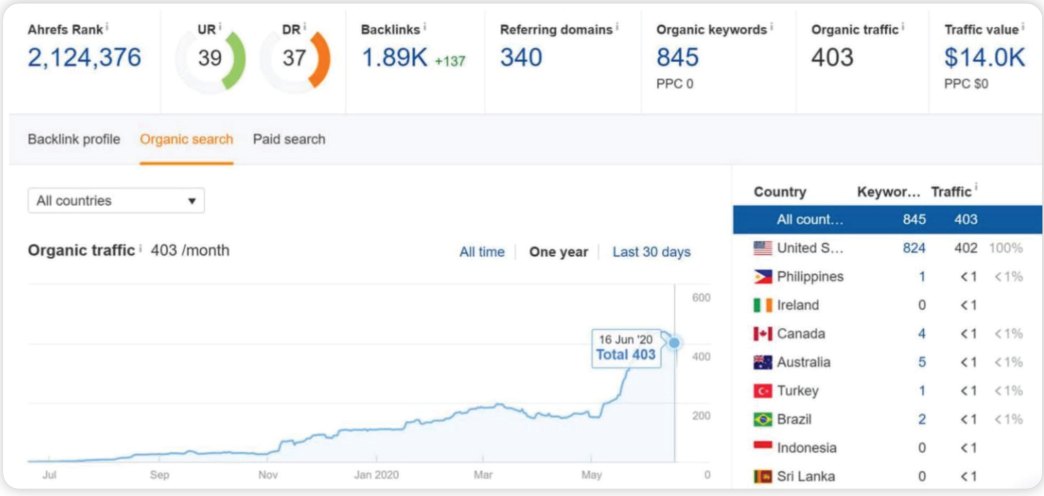
Sewer Experts started from scratch in Denver and ran no other marketing. Organic search took them from a new site to 845 ranking keywords and a phone that does not stop.

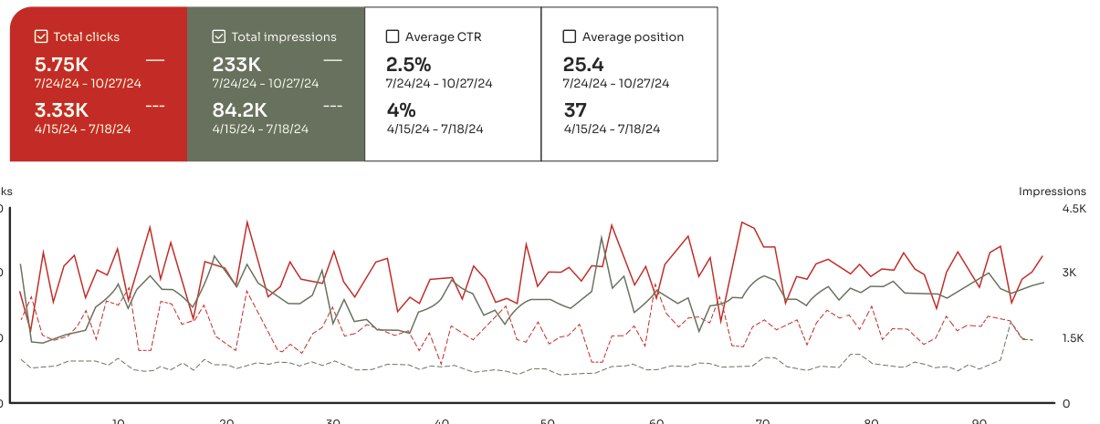
JIMGLO Trailers, last three months against the previous three. Rewritten titles, descriptions and a streamlined contact form delivered an 80% rise in leads.
Generic vs. specialist
A generic SEO package treats an HVAC company like any other business. These are the differences that decide whether the phone rings in July.
Our phones are ringing off the hook! Within six months, we were in the top five companies on every search engine. They are one of the best investments we have made.

Everything you need to know
HVAC is one of the few industries where next quarter’s search demand is predictable to the week. Cooling searches climb with the first heat wave, heating searches with the first cold snap, and both are followed by replacement searches a few weeks later as the repairs that did not make sense turn into installations. A plan that publishes and links seasonal content a quarter ahead ranks when the demand arrives. A plan that reacts to the season misses it every year.
In most cities the HVAC map pack is contested by local contractors, but the organic results below it are dominated by HomeAdvisor, Angi, Thumbtack and Yelp. They rank because they have thousands of pages and reviews. They cannot be out-ranked on breadth, so we out-rank them on depth: a service page about furnace replacement in your city, with real prices, photos and reviews from that city, beats a directory category page for the searches that produce a job.
Google reads the words in reviews. Twenty reviews that mention “furnace”, “AC”, “Loveland” and “same day” do more for rankings than two hundred that say “great service”. The request we send the day of the job asks the customer what we fixed and where, and the reviews write themselves. Replies mention the service too.
When someone asks ChatGPT or Google AI for an HVAC company in your city, the answer is assembled from the Google Business Profile, reviews, directory listings and the service pages. The company that is named is the one whose facts agree everywhere, whose reviews describe the services, and whose pages state plainly what it does, where and for how much. Every item on this page feeds that answer, and we check the answer every month.
Most HVAC SEO services are sold as a package: a set number of keywords, a set number of blog posts, a report that shows rankings. The HVAC SEO experts worth hiring sell the opposite: a plan built from your market, your competitors and your budget, with results reported as calls, bookings and quotes rather than positions. When you compare a HVAC SEO agency against another, ask who writes the pages, who owns the Google Business Profile and the ad accounts, and how long the contract runs. aStash answers those three the same way for every HVAC company: our team writes everything, you own every account, and there is no contract.
Where you must be listed
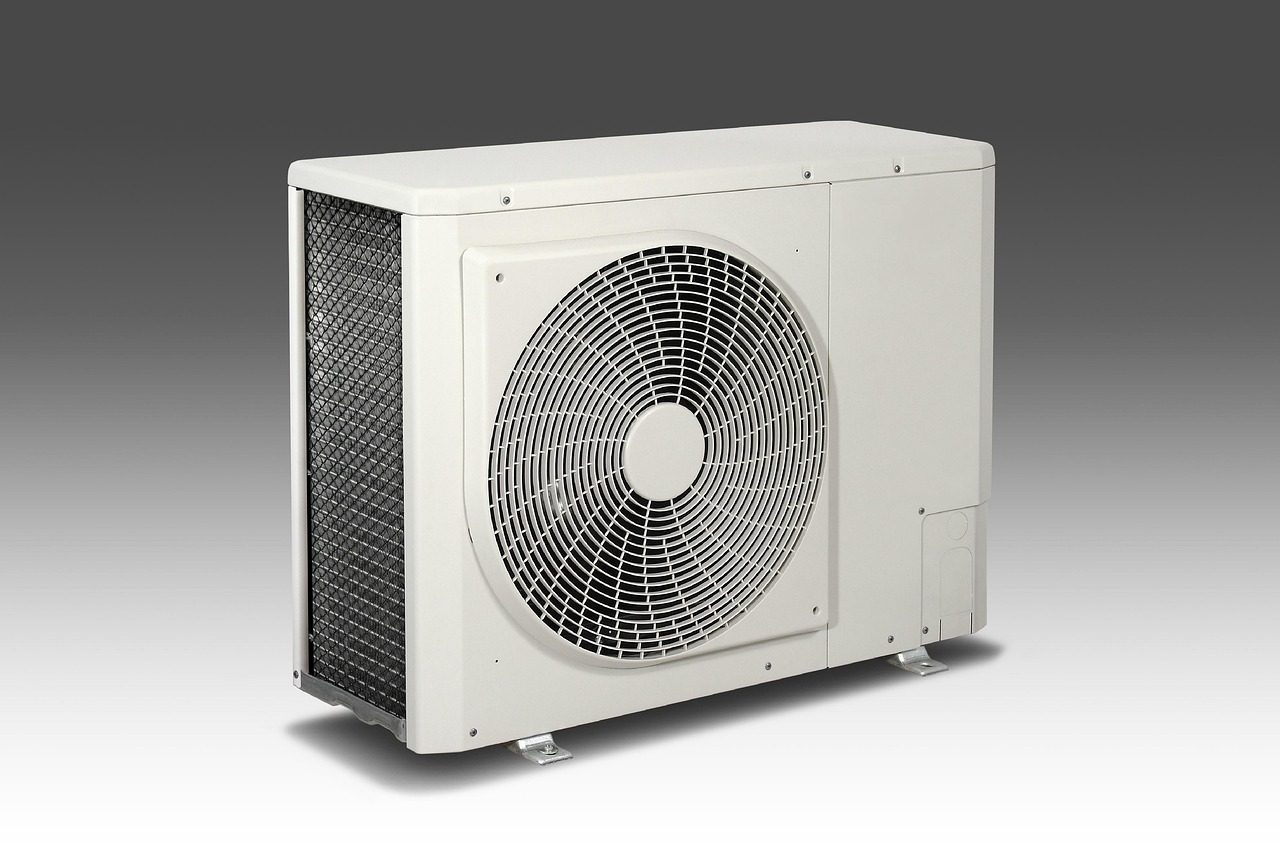
The sources Google and the AI assistants read before they rank or recommend an HVAC contractor. Every one should list the same name, address, phone and services.
Free audit
Free, takes about a week, and becomes the first month’s task list if you go ahead.
Related services
Most clients in this industry run one or two of these alongside the SEO plan.
The full SEO plan every industry page sits inside.
Learn more ↗Map pack, Google Business Profile, citations and reviews.
Learn more ↗Get named by ChatGPT, Perplexity and Google AI.
Learn more ↗Pay-per-lead ads with the Google Guaranteed badge, run alongside SEO in season.
Learn more ↗The review system that feeds HVAC rankings.
Learn more ↗A site with a page per service and per city, built to rank.
Learn more ↗Similar industries
Each page explains what changes for that industry.
Near you
Local campaigns are built around your service area. City pages for the markets where most of our clients are.

Written and reviewed by
Kateryna QuinnFounder and CEO, aStash. Forbes Next 1000, NOCO Style 30 Under 30Kateryna founded aStash in Fort Collins in 2017 and has run local SEO for heating, plumbing, sewer, electrical and other home-service companies across Colorado, Texas and the United States, including a Denver sewer contractor whose calls rose 339% in a year on the system described here. She reviews this page whenever Google changes how the map pack, Local Services Ads or AI answers treat contractors.
HVAC SEO FAQ
Anything else? (970) 399-9004 reaches a person in Fort Collins, not a call center.
By winning the two searches that matter: the emergency search, decided by the map pack and reviews, and the planned search, decided by the service page that explains the job and the price best. SEO puts you in the map pack with the right categories and recent reviews, and gives every service its own page that ranks. Calls are tracked so you can see which search produced each one.
Map-pack movement usually shows in 30 to 60 days once the Google Business Profile is corrected and reviews start arriving. Service-page rankings for competitive terms such as “ac installation [city]” build over three to six months. Seasonal content ranks when the season arrives if it was published the quarter before. The monthly report shows the trend by service.
If you want to rank there, yes, and it has to be a real page: jobs done in that community, the technician who covers it, local rebates and utility programs, reviews from that city. A template with the city name swapped is a doorway page, which Google filters and sometimes penalizes. We build the real version for the communities that matter most first.
In season, usually yes. Local Services Ads charge per lead and sit above the map pack for emergency searches, and search ads can cover the terms SEO has not won yet. Most HVAC clients run SEO year-round and ads during the peaks, and shift budget to SEO as rankings arrive. The audit tells you the cost per lead to expect.
Count, rating, recency, replies and the words in the reviews all count. Reviews that mention the service and the city are a local ranking signal and an AI citation signal. The request workflow we set up asks on the day of the job with a prompt that produces those words, and we reply to every review within a business day.
It is the work of getting ChatGPT, Perplexity, Gemini and Google AI to name your company when someone asks for an HVAC contractor in your city. Those answers are assembled from the Google Business Profile, reviews, directories and your service pages, so most of the work overlaps with local SEO. It is included in every plan and we track what the assistants say each month.
A flat monthly rate fixed after the free audit, with no contract. It depends on how many services and communities you need to rank for and how competitive your metro is. A single-location shop in a mid-sized city needs a different plan from a multi-branch company in Denver or Houston. The audit gives you the number before you commit.
Yes. The review request workflow connects to ServiceTitan, Housecall Pro, Jobber, FieldEdge and most invoicing tools, so requests go out the day the job closes without anyone remembering to send them.